
- Targeted introduction of 200,000 kg of EHC as a suspension using TSE®
- Subsequent acceleration of biodegradation through the addition of anaerobic SENSABAC microorganism cultures of Dehalococcoides
When a Barracks Becomes a Residential Neighborhood: LCKW Renovation at Pioneer Park in Hanau
A military site is being transformed into a residential area—but before 5,000 people can move in, the subsoil must be safe. At the former Pioneer Barracks in Hanau, decades of solvent use in workshops and dry-cleaning facilities have contaminated the soil and groundwater with volatile chlorinated hydrocarbons (VCHs). To avoid delaying the transformation into a modern urban neighborhood, a targeted in-situ remediation using ISCR was initiated—an approach that not only works but also delivers convincing results.
Client
LEG Hessen-Hanau GmbH
Area
Approx. 11,000 m²
Service period
Pilot Project 2020, Complete Renovation 2023
Contract value
1,380,000 €
Active agents
>200,000 kg EHC, augmentation culture
Contaminants
Highly volatile chlorinated hydrocarbons (LCKW)
Questions about the project
Key Services
Customer Benefits
- Complete degradation of LCKWs to ethene in the pilot test area within two years
- Active remediation within approximately 5 months—significantly faster than excavation
- Significant cost savings compared to full excavation and a long-term pump-and-treat program
- 70% to 90% more sustainable than the conventional renovation measures mentioned above, based on lower CO2 emissions and energy consumption
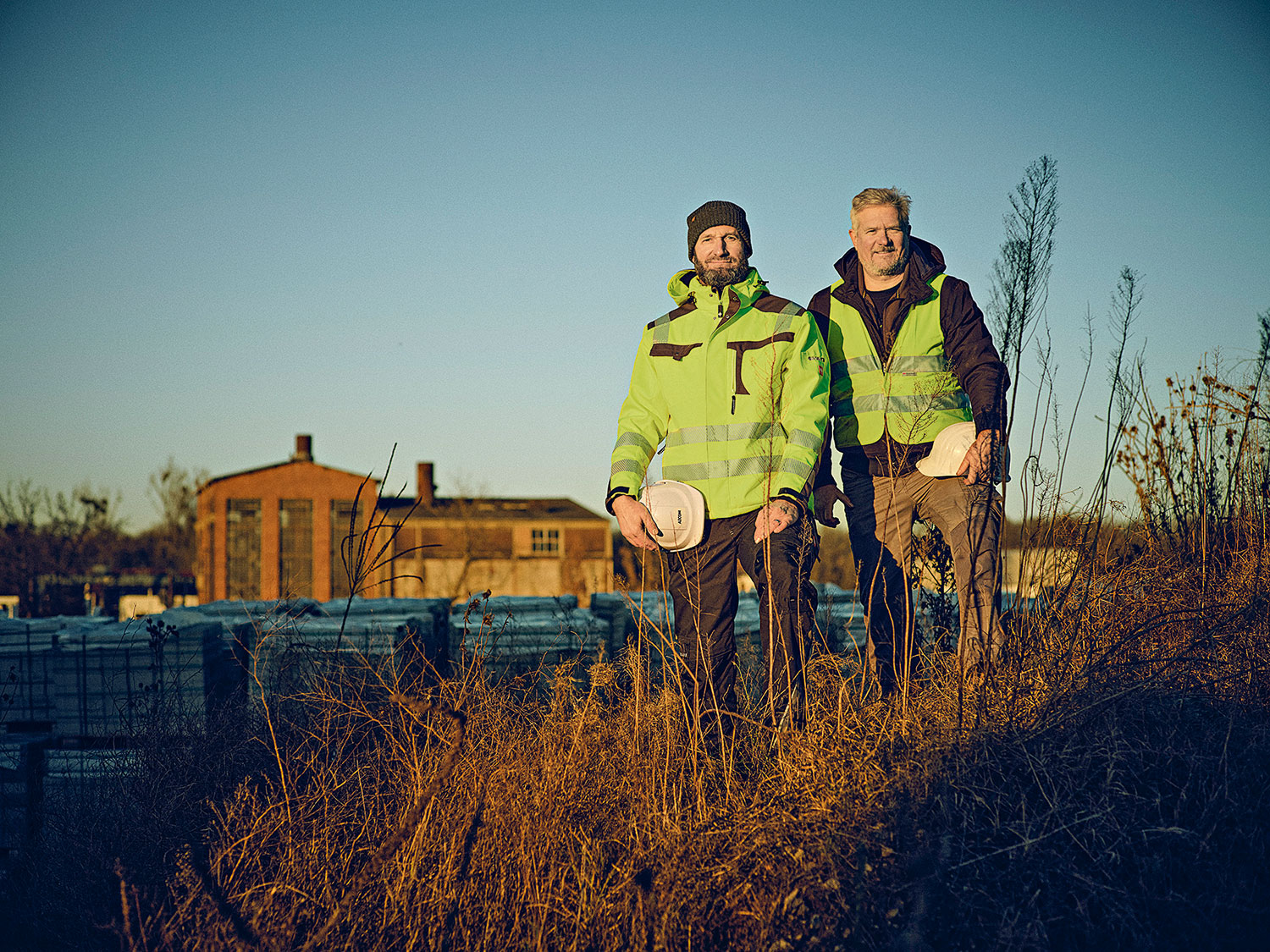
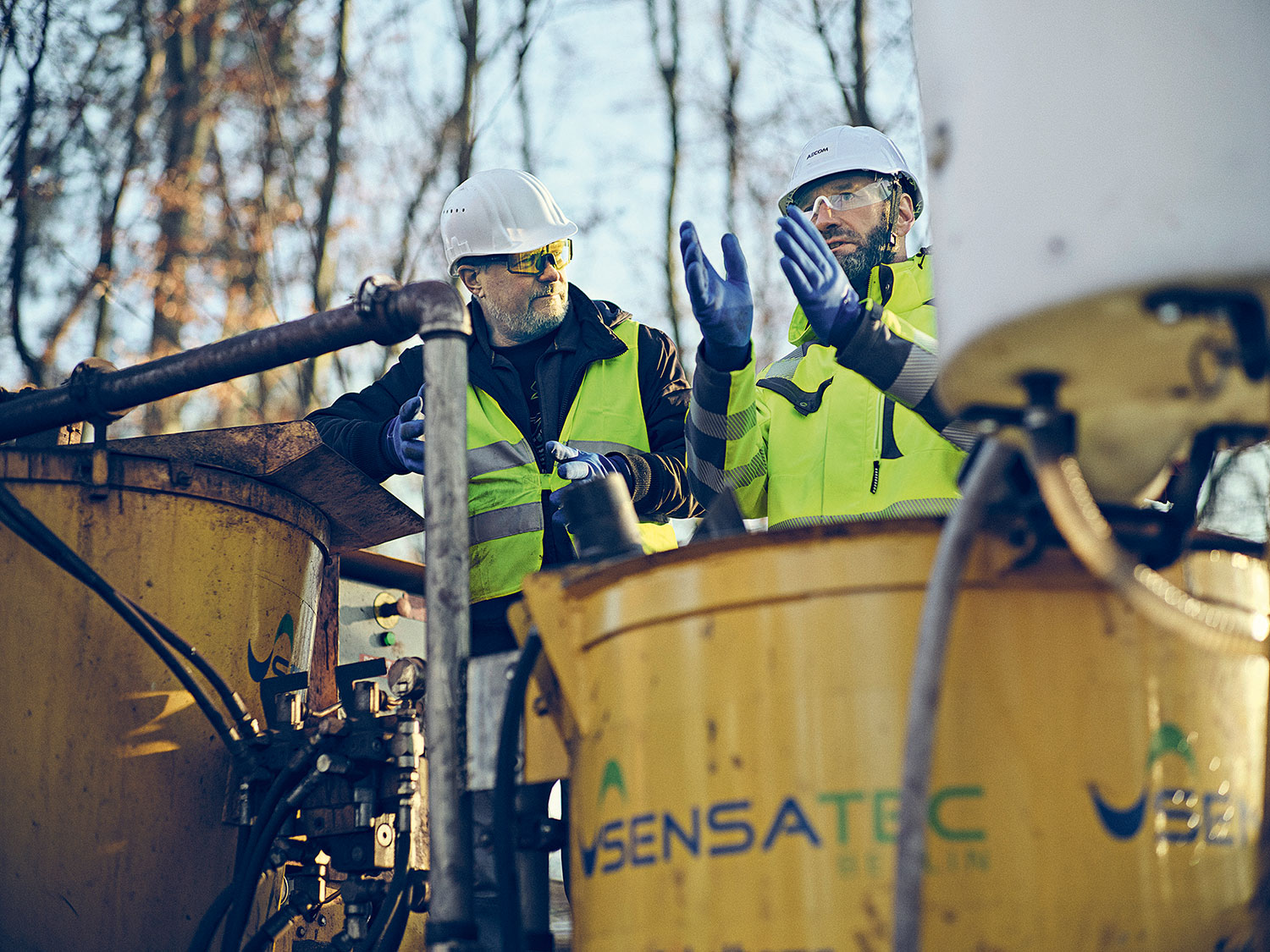
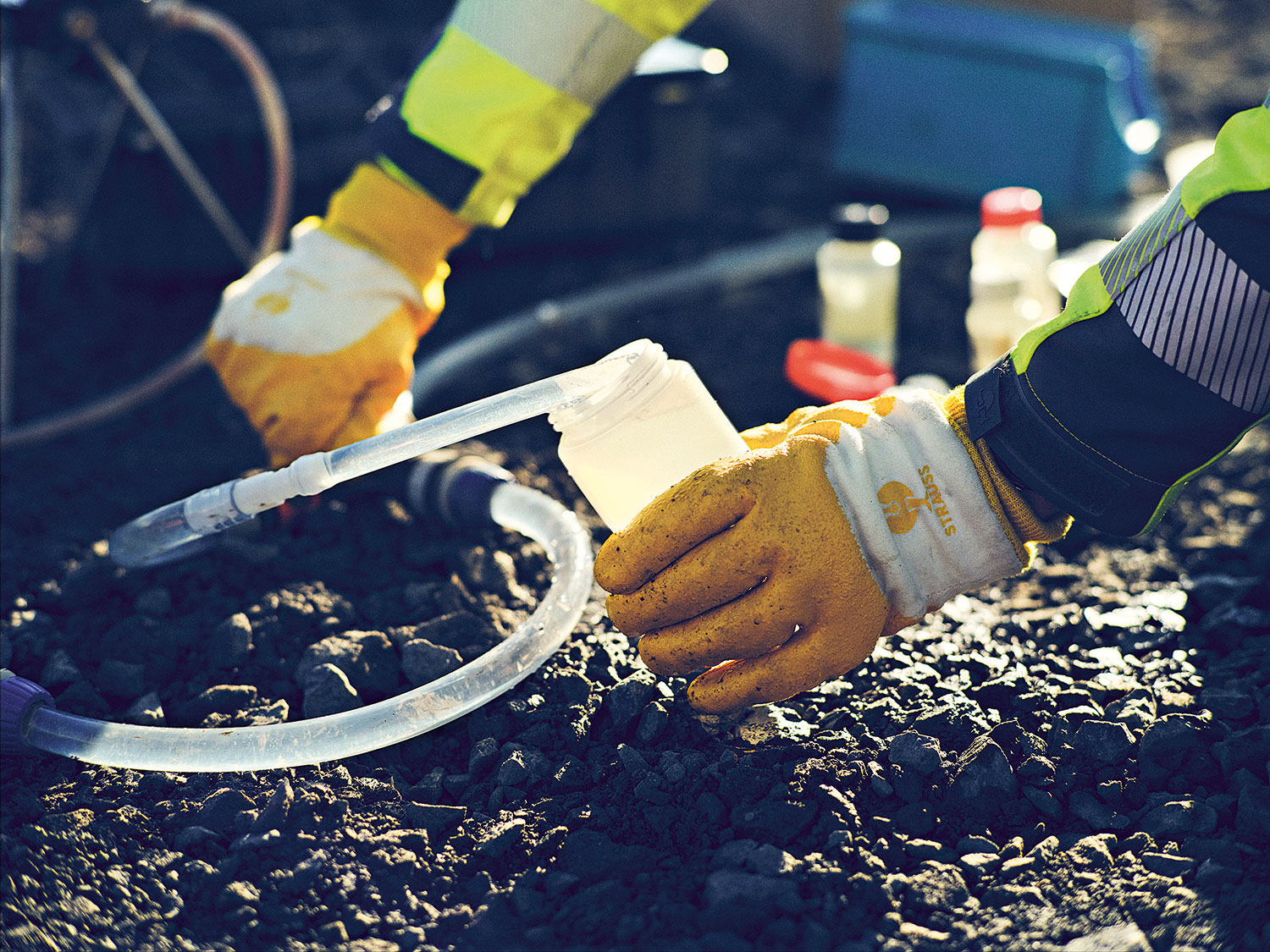
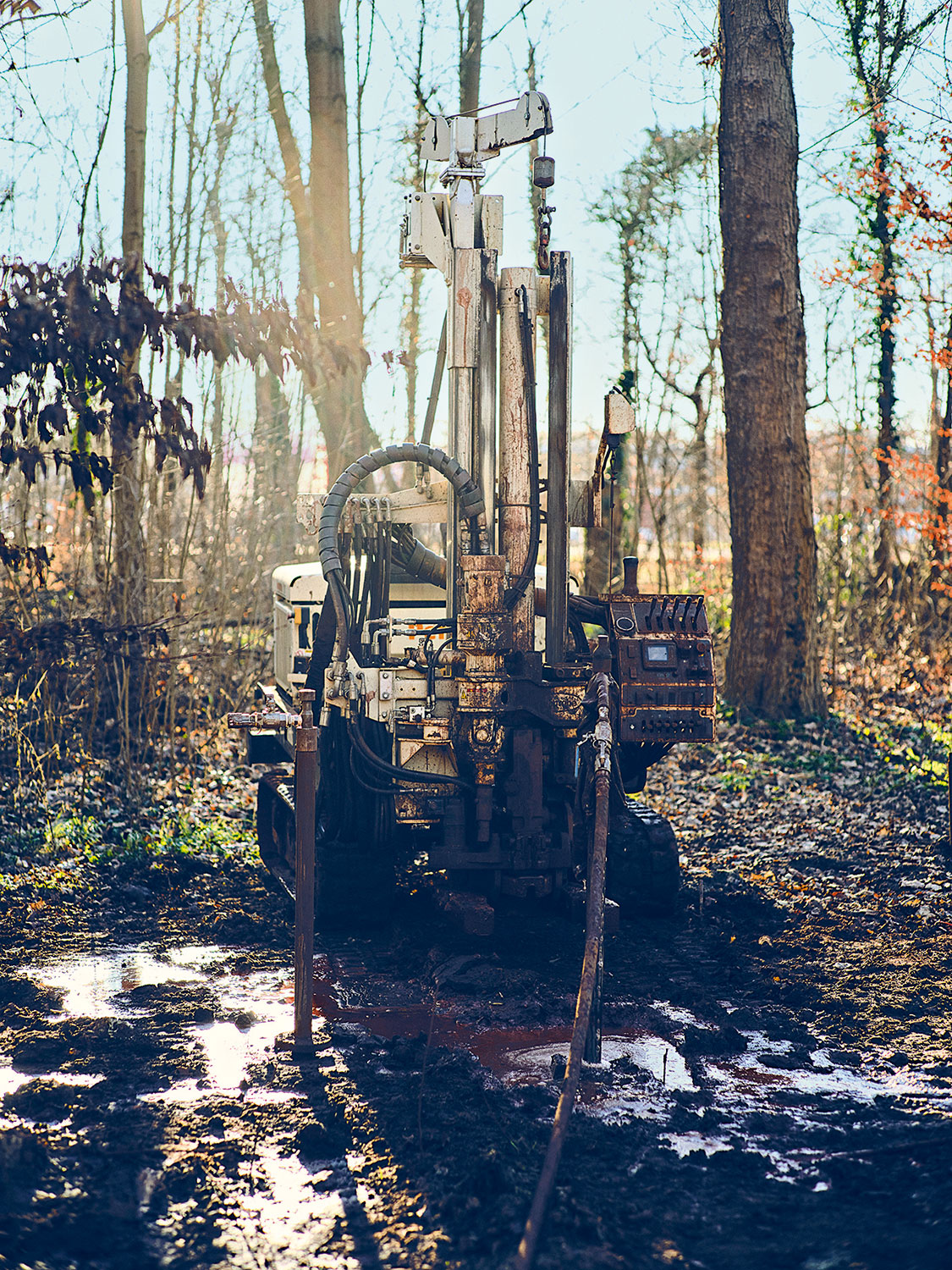
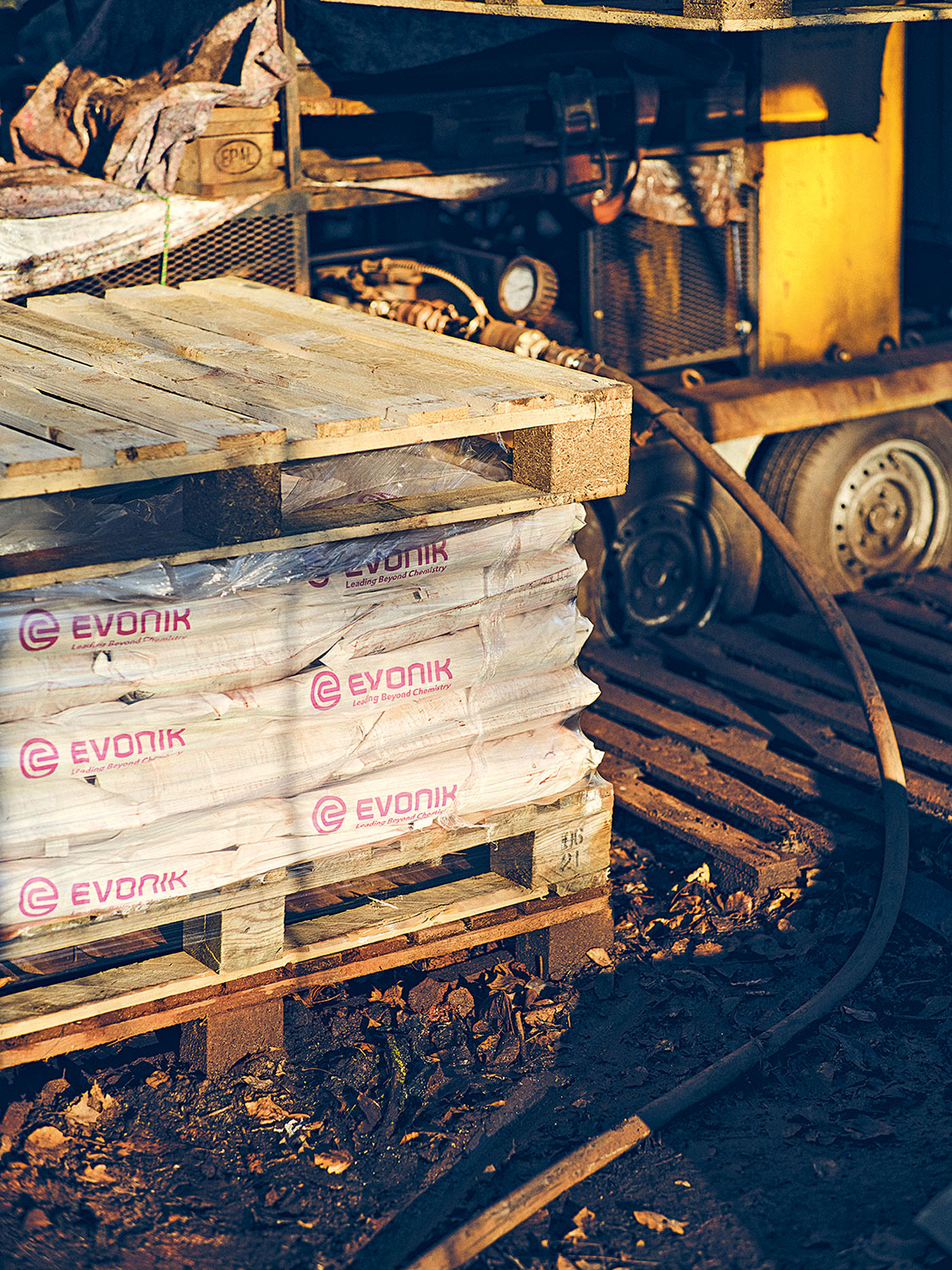
Image source: Evonik Industries
A military barracks with contaminated sites—and big plans
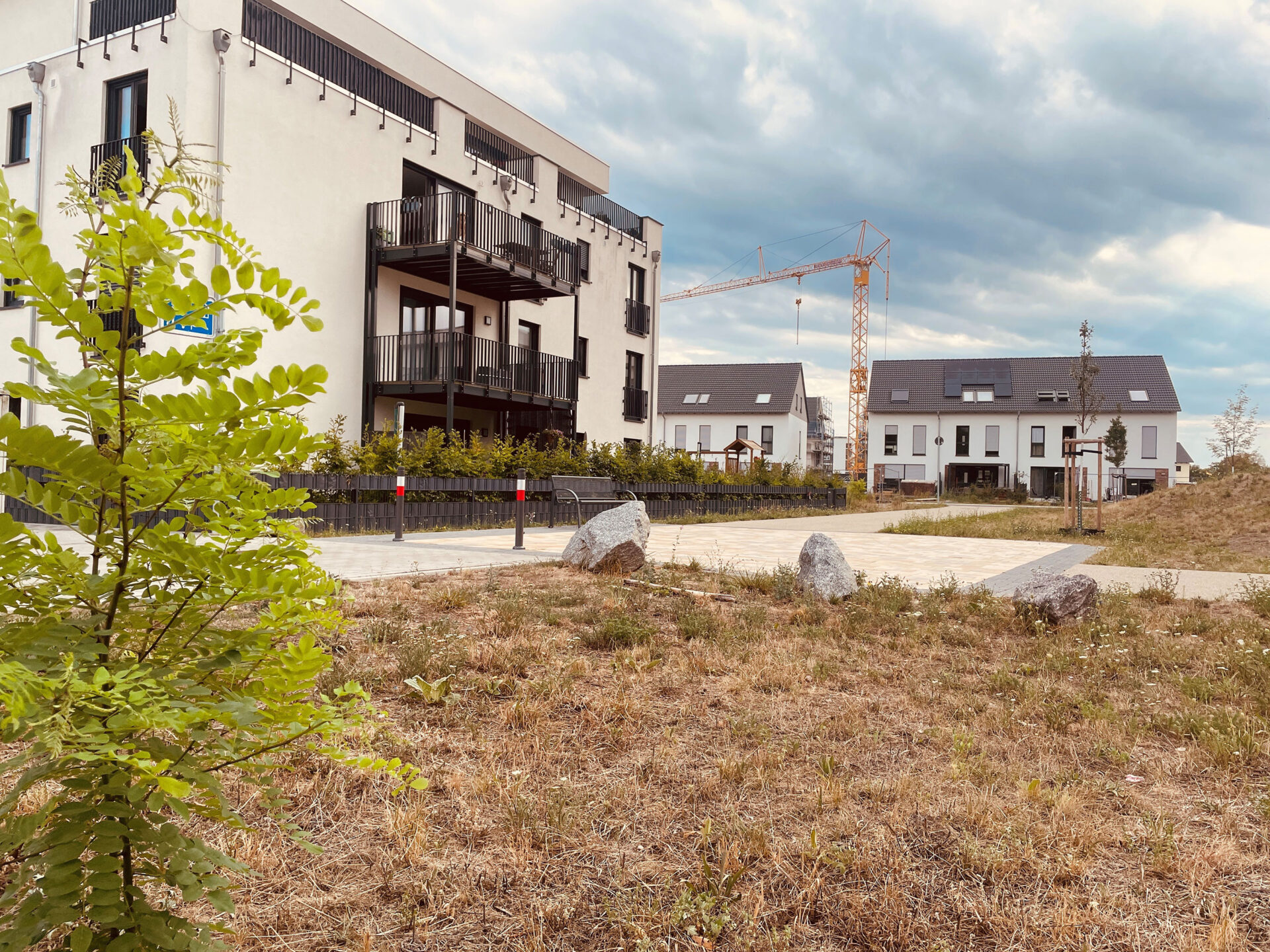
The former Pioneer Barracks in Hanau were set to be transformed into something new: Pioneer Park, a modern residential neighborhood for about 5,000 people. Green spaces, new buildings, urban living—an ambitious urban development project that will shape Hanau for years to come. But the subsoil told a different story. Decades of dry cleaning operations on the barracks grounds had left their mark: volatile organic compounds (VOCs) had seeped deep into the soil and groundwater, posing a serious challenge to the planned redevelopment. Without effective remediation—no Pioneer Park.
The Challenge: Renovating Without Compromising the Schedule
On an active development site, time is a scarce resource. Traditional remediation methods, such as soil excavation or pumping out groundwater, would have meant:
- Major disruptions to ongoing construction site logistics
- High costs for excavation, transportation, and disposal
- Significant delays in the construction schedule
- High energy consumption and greater CO₂ emissions
We had to find another way—one that works without holding everything up.
The Solution: Renovation from the Inside Out
The answer lay in the subsoil itself. Using the in-situ chemical reduction (ISCR) method, the contaminant was treated right where it was located—without excavation, without pumping, and without disrupting surface operations.
Using solid-phase injection, Evonik’s EHC®Reagent was specifically introduced into the contaminated soil zones. The active ingredient is more than just a simple oxidizing agent—it combines two mechanisms of action in one:
- Zero-valent iron (ZVI) facilitates the chemical reduction of VOCs
- Organic carbon activates and promotes microbial degradation in the subsurface
Together, they deliver a deep-cleaning, long-lasting effect—invisible, yet highly effective.
Strong Partners, a Shared Goal
A project of this complexity can only succeed through the collaboration of experienced professionals. It was carried out by a well-coordinated team of specialized partners:
- Evonik – Development and Supply of the EHC® Reagent
- AECOM – Environmental Consulting and Remediation Planning
- Sensatec – Technical Implementation of Injection Work
- LEG Hessen-Hanau / BIG BAU – Owner and Project Developer
- City of Hanau – Government Coordination and Support
Results: Measurable, sustainable, long-lasting
The numbers clearly demonstrate the success of the initiative. A pilot study conducted in 2020 already showed an exceptionally high reduction rate. Subsequent results confirmed what the method had promised:
- 18 months until VOC levels are nearly completely reduced
- Measurements taken in 2024 confirm that most values are already well below the remediation targets
- Long-lasting effectiveness without the need for further procedures
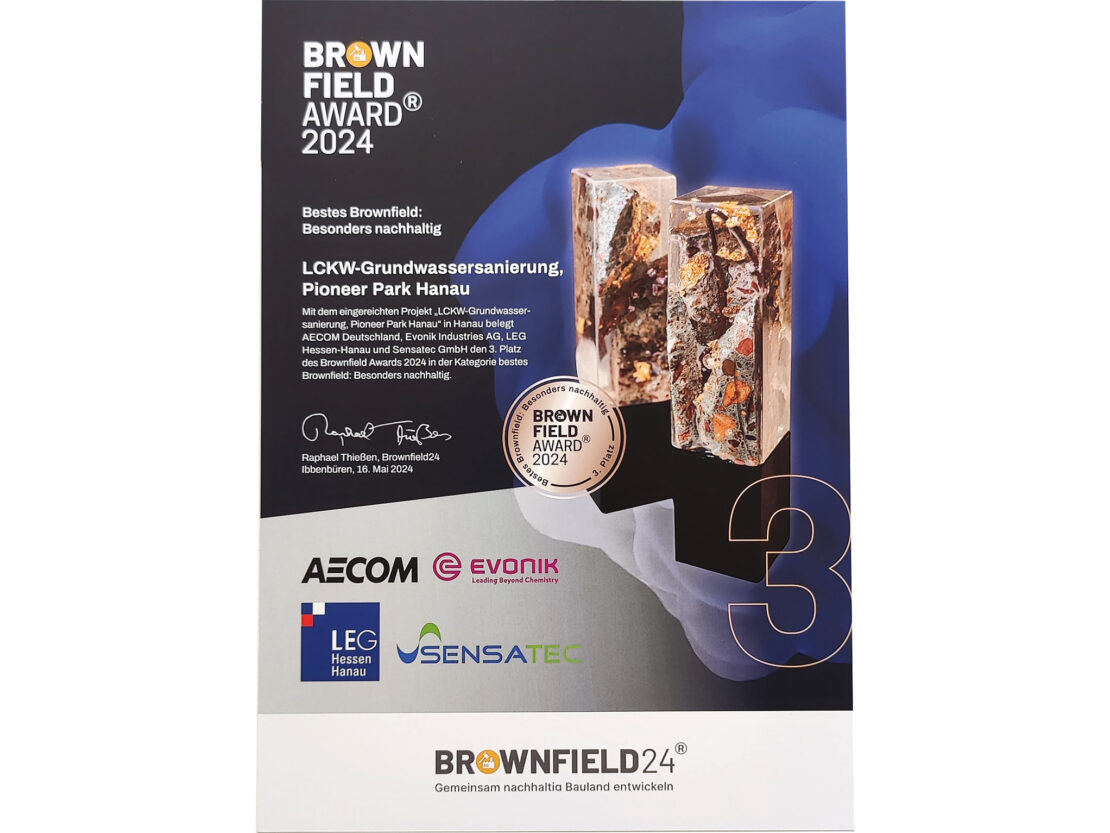
Outstanding Sustainability: Brownfield Award® 2024
Recognized achievement. The project was awarded the Bronze Medal at the 2024 Brownfield Award® for its outstanding contribution to sustainable urban development. The jury commended:
- The ecological effectiveness of the method used
- The Responsible Management of a Former Military Site
- The use of remediation reagents made from recycled raw materials
Pioneer Park Hanau: A Neighborhood with a Solid Foundation
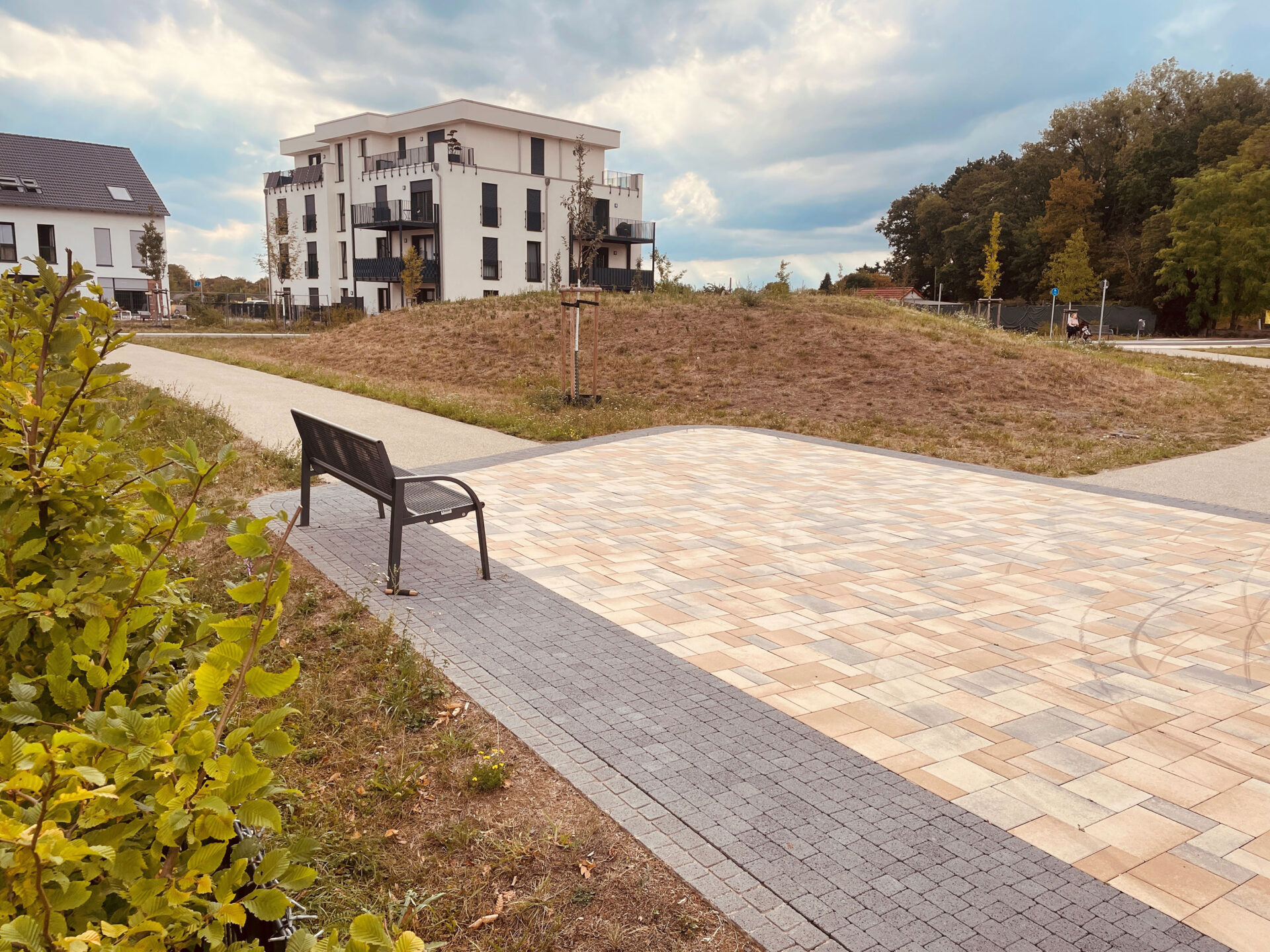
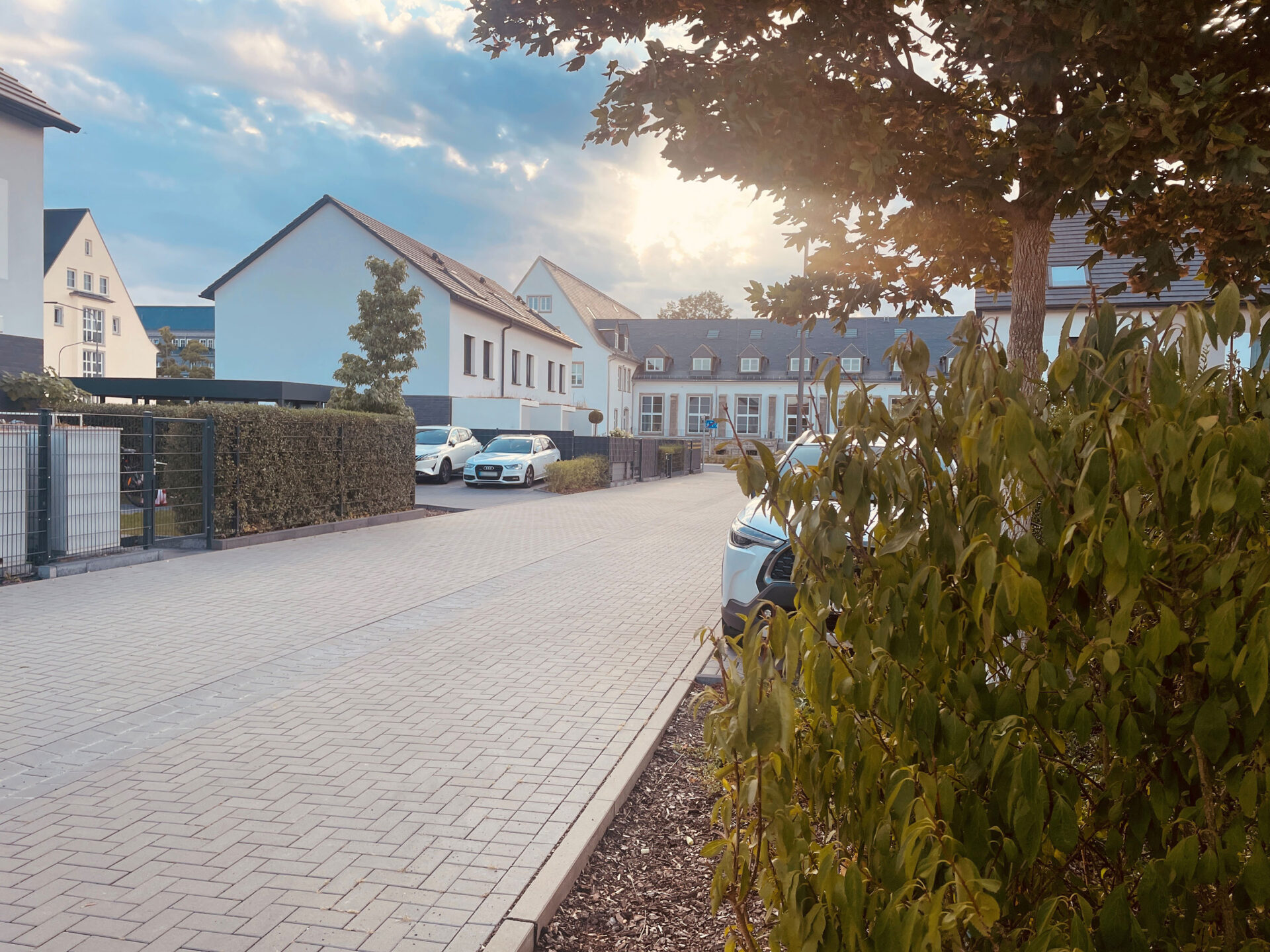
The remediation is complete—and the way is clear. Pioneer Park Hanau can now become what it was meant to be: a modern, green, and livable home for thousands of people. Clean soil, clean groundwater, a clean future.
This project demonstrates that urban transformation and environmental responsibility are not mutually exclusive. Former military sites can be reimagined—in a sustainable, efficient, and forward-looking way. Pioneer Park is a compelling example of this.
Project Publications
- ELEMENTS – The innovation magazine Evonik
Online (German/English)
PDF (7MB) - Report in *Altlasten Spektrum* 03-2025 (1.31 MB)
You are currently viewing a placeholder content from YouTube. To access the actual content, click the button below. Please note that doing so will share data with third-party providers.
More Information