
Remediation to Protect Soil and Groundwater
At Sensatec, we develop and implement methods for remediating soil and groundwater contamination. In particular, we rely on effective in-situ methods that allow contaminants to be treated directly in the subsurface. Depending on the method and location, this can, for example, reduce groundwater extraction, energy consumption, and waste volumes compared to conventional remediation methods.
We examined just how significant these differences can be by analyzing several of our own remediation projects. In a direct comparison with traditional pump-and-treat methods, we looked at factors such as water consumption, CO₂ equivalents, and waste generation, among others.
About the Sensatec Sustainability Assessment
Our goal is to effectively remediate contaminated soil and groundwater while minimizing the use of resources as much as possible.
New Uses for Contaminated Sites
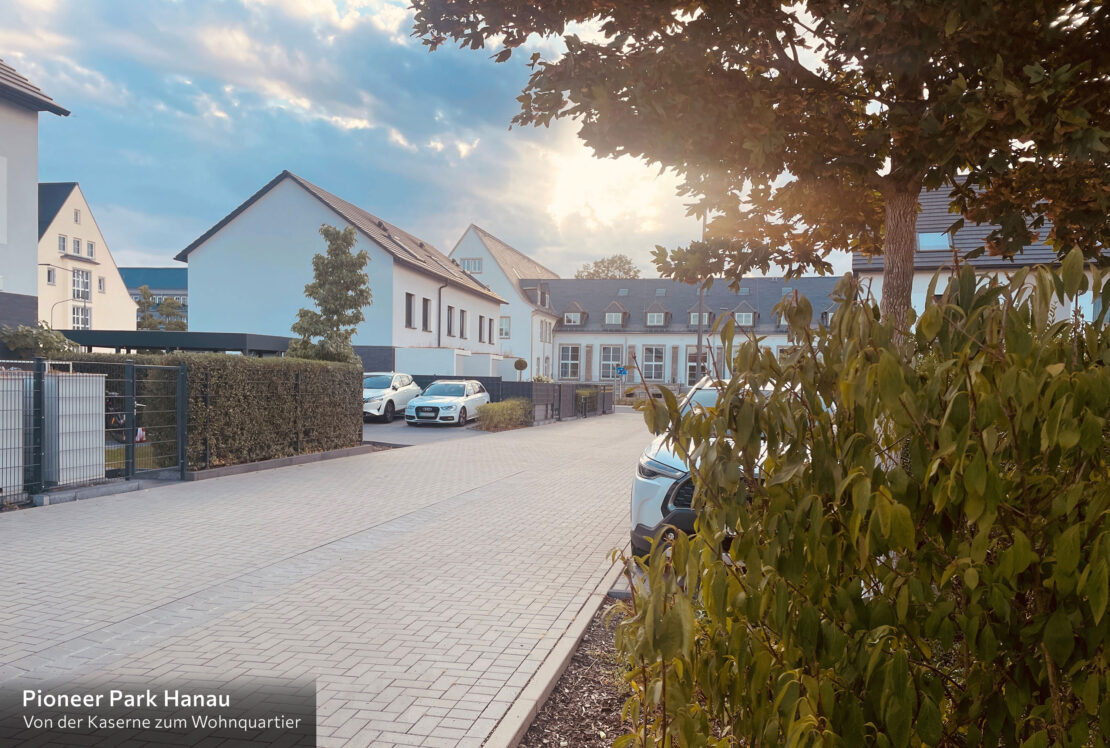
Remediating contaminated sites and restoring them to usable condition can help prevent the need for new land development. At Sensatec, we bring our expertise in soil and groundwater remediation to such brownfield projects, thereby laying an important foundation for the further development of contaminated sites.
One example of this is Pioneer Park Hanau. On the site of a former military barracks, groundwater contamination caused by light non-hazardous chemicals (LCKW) was remediated. Together with AECOM and EVONIK, we contributed to the implementation of the project. In 2024, the project received the Brownfield Award from the German Brownfield Association (DEBV) in the category “Best Brownfield: Particularly Sustainable.”
Involvement in the German Brownfield Association
Beyond our projects, we are also actively involved in the German Brownfield Association. Our colleague Gordon Bures from the Berlin office is involved, among other things, in the further development of the DGNB criteria catalog “New Construction” in the area of in-situ remediation. In addition, he serves as an assessor for the DEBV sustainability certificate.
Technological expertise from a single source
We combine drilling and geotechnical engineering, specialized laboratory services, and in-house plant construction with the expertise of an interdisciplinary team of scientists and engineers. This enables us to manage even complex remediation projects from investigation and planning through to technical implementation.
Sensatec is growing through its own efforts and without outside financing. At the same time, we are continuously investing in our technical expertise, our equipment, and the further development of our structures.
Use Resources Wisely
For us, the responsible use of resources is an integral part of the ongoing development of our processes and technical solutions. In addition to effectiveness and cost-efficiency, we also take into account factors such as energy and material consumption, as well as waste prevention.
Our Sustainability Report details how we take environmental, social, and corporate factors into account in our business development and the measures we are implementing to that end.
Sustainability Assessment of Selected In-Situ Methods
How do biological in-situ methods differ from conventional hydraulic containment in terms of resource consumption? To examine this question using concrete data, we compared biological in-situ downstream barriers from two of our remediation projects with pump-and-treat methods. Among other factors, we examined water and energy consumption, CO₂ equivalents, waste generation, and operating materials, as well as economic and social aspects. We also included the long-term effectiveness of the methods in our assessment.
The results show differences in resource consumption between the two projects studied: The biological downstream barriers required less water, generated less waste, and had lower CO₂ equivalents than the respective pump-and-treat remediation systems examined. At the same time, the long-term measurements demonstrate stable remediation and degradation performance over several years.
Here’s an example: One of the projects examined involved securing the outflow from a lake area of approximately 45,000 m² that had been backfilled with tar-containing waste. For the biobarrier, water consumption was determined to be 0 m³ compared to 438,000 m³ for pump-and-treat, 2 metric tons of waste instead of 25 metric tons, and approximately 81,866 kg of CO₂ equivalents instead of 115,956 kg.