
- High persistence – PFAS are extremely resistant to degradation and can remain in the environment for decades.
- Complex propagation patterns – PFAS can migrate through soil and groundwater, making their spread difficult to predict and control.
- Sensitive assets at risk – Groundwater, drinking-water resources, and other sensitive environmental assets can be affected.
- Extensive regulatory coordination – PFAS remediation often requires close coordination with environmental authorities and other government agencies.
- Restrictions on site use – PFAS contamination can limit or restrict the use, development, and future planning of affected sites.
Remediation of PFAS-Contaminated Sites Without Soil Replacement
PFAS are among the greatest environmental risks of our time. Scientific evidence shows that these highly persistent chemicals are increasingly accumulating in the environment, particularly in the food chain, where they can remain for long periods due to their exceptional chemical stability. With the introduction of mandatory PFAS limits in the German Drinking Water Ordinance effective January 12, 2026, the pressure on municipalities, industry, and operators of critical infrastructure to take action is increasing significantly.
Due to the lack of suitable landfills, the disposal of PFAS-contaminated soil is extremely labor-intensive and expensive. Sensatec GmbH is one of the few companies that offers several field-proven in-situ remediation technologies for the remediation of PFAS-contaminated soil on-site without soil replacement.
We implement site-specific strategies for the investigation, containment, and remediation of PFAS contamination in soil and groundwater.
Challenges
Our Approach
- Understanding Damage Patterns and Pathways
- Develop a site-specific remediation strategy
- Verify the feasibility of the remediation strategy in the laboratory and on site
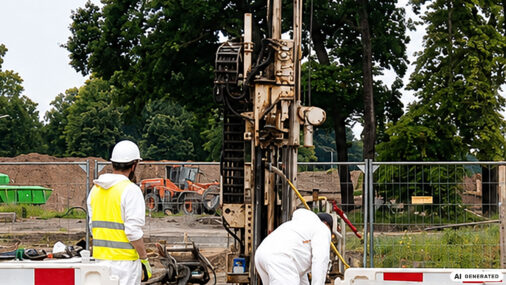
- Implementing Large-Scale Technical Measures
- Demonstrate and monitor effectiveness
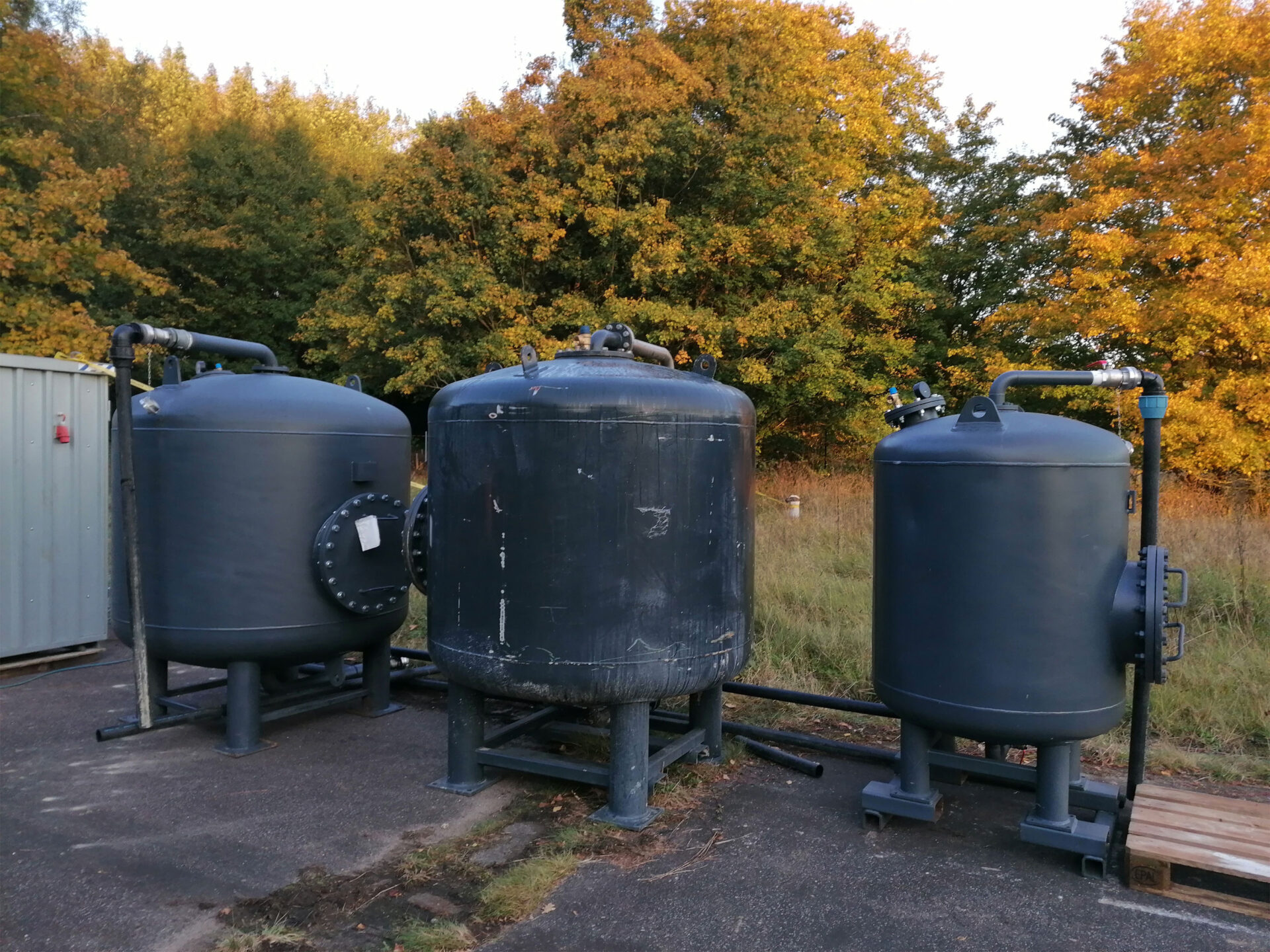
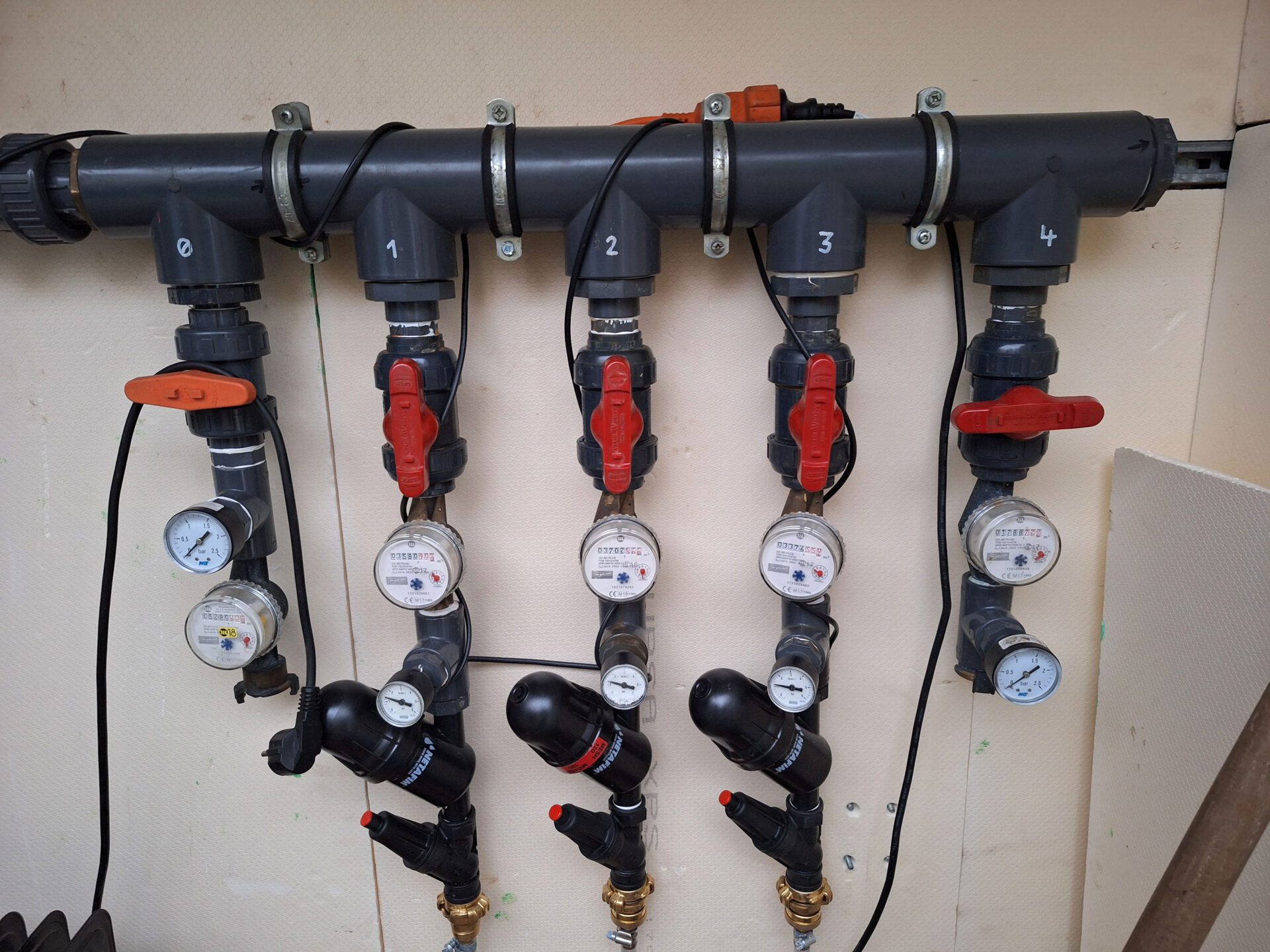
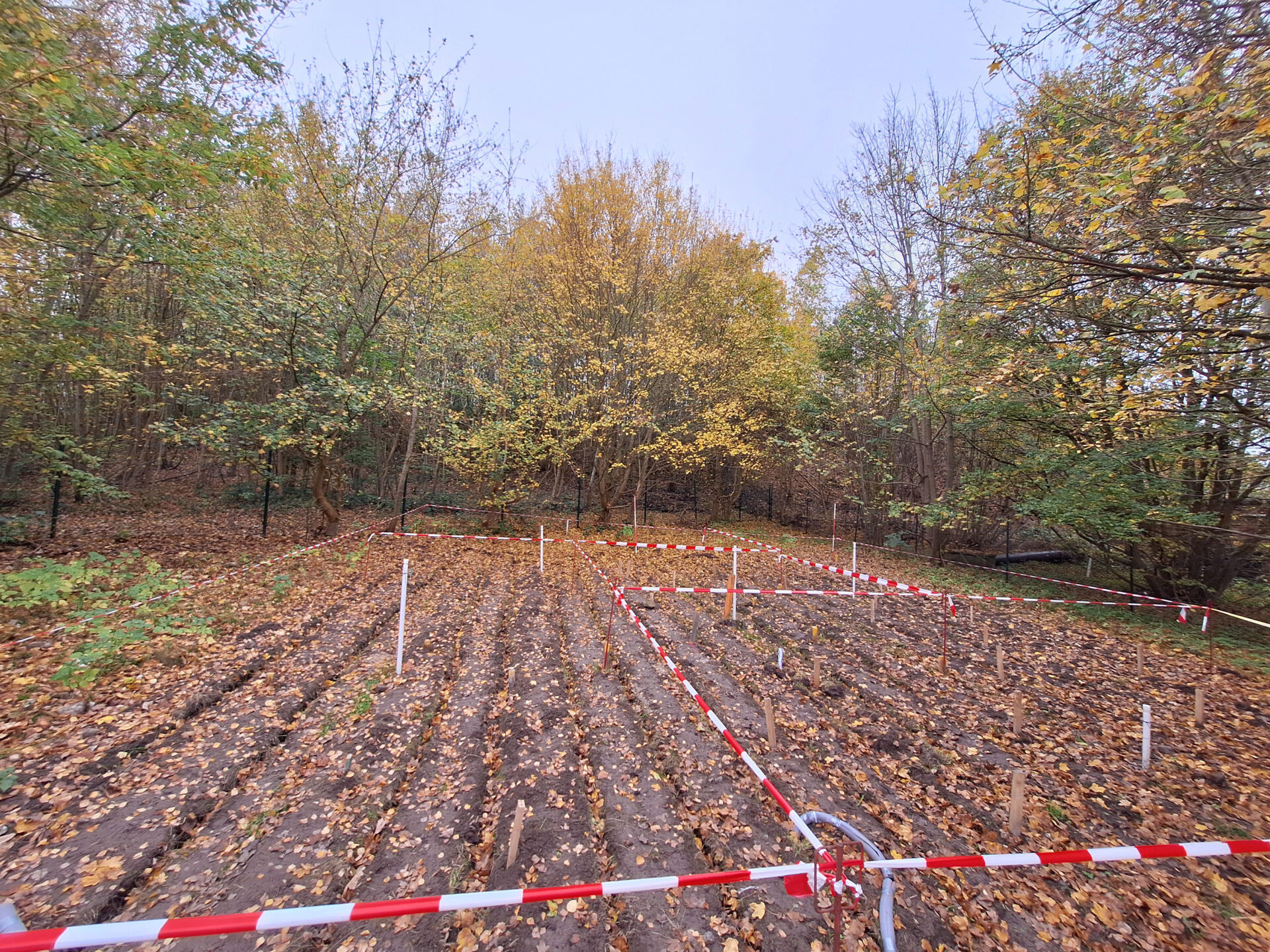
Project Example
Background
Several firefighting incidents occurred at an airfield in northern Germany, during which fire suppressants containing PFAS were used.
Challenge
Since the site was to undergo redevelopment, the task at hand was to sustainably remove PFAS from the topsoil and near-surface groundwater—without replacing the soil.
Solution
Together with our strong research partners, we have been developing an innovative process since 2018 that allows PFAS to be gently removed from contaminated soil—a soil flushing method using special biopolymers. Biopolymer flushing is a minimally invasive, large-scale remediation method performed directly on-site.
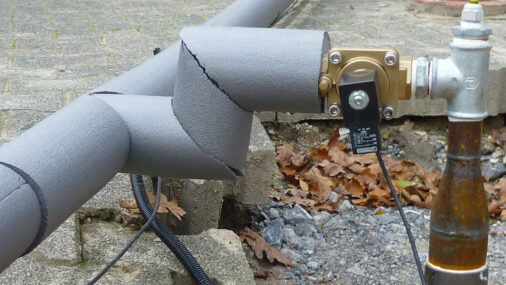
As part of a soil flushing project lasting several months, a large portion of the existing PFAS contamination was removed in situ from the topsoil, collected along with the flushing water, and sent to a water treatment plant.
Result
The process proved so effective at the site that the subsequent underground immobilization with activated carbon —which had initially been planned—was no longer necessary.
In addition, eliminating the need for excavation and soil transport resulted in significant cost savings.
PFAS remediation in action: View reference project


Let’s assess your PFAS case
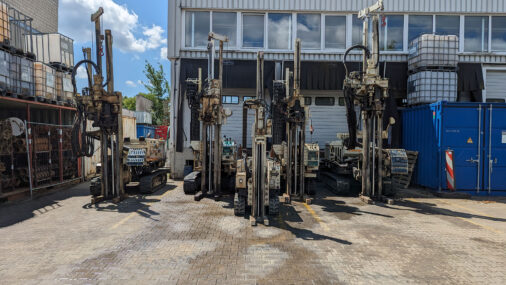
Every site is unique. Using our drilling surveys and feasibility studies, we analyze the remediation measures that are most likely to be successful for your PFAS case.