
- High costs and time required for soil excavation
- Rising landfill costs and available landfill space
- complex propagation patterns
- Soil treatment to great depths with long project durations
- sensitive assets
- significant need for coordination with government agencies
- Restrictions on Use at the Site
Remediation Solutions for Extensive and Deep Environmental Contamination
Global contamination of soil and groundwater by industrial chemicals, PFAS, hydrocarbons, and heavy metals has reached a level at which traditional remediation methods, such as soil excavation and hydraulic containment measures, are increasingly reaching their limits. There is simply not enough landfill space in Central Europe to accommodate the total volume of contaminated soil that has been proven to contain pollutants.
Our biological and combined biological/chemical remediation methods are ideal for remediating contaminated areas spanning tens of hectares. The active ingredients and reagents required for this process are very cost-effective and are therefore particularly well-suited for remediating large-scale environmental contamination.
Challenges
Our Approach
- Understanding Damage Patterns and Pathways
- Develop a site-specific remediation strategy
- Demonstrate the feasibility of the remediation strategy in the laboratory and on site
- Implement Technical Measures
- Demonstrate and monitor effectiveness
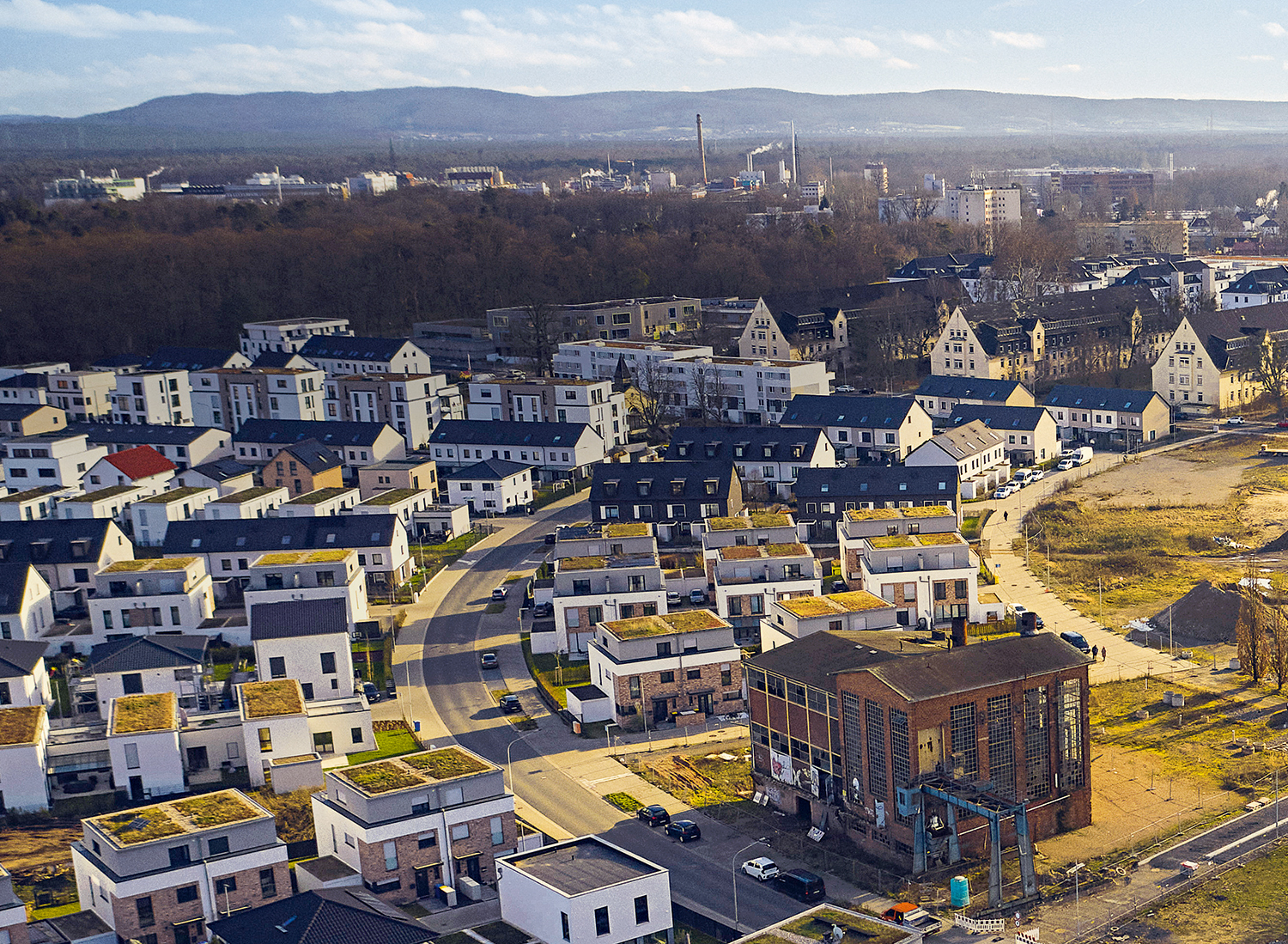
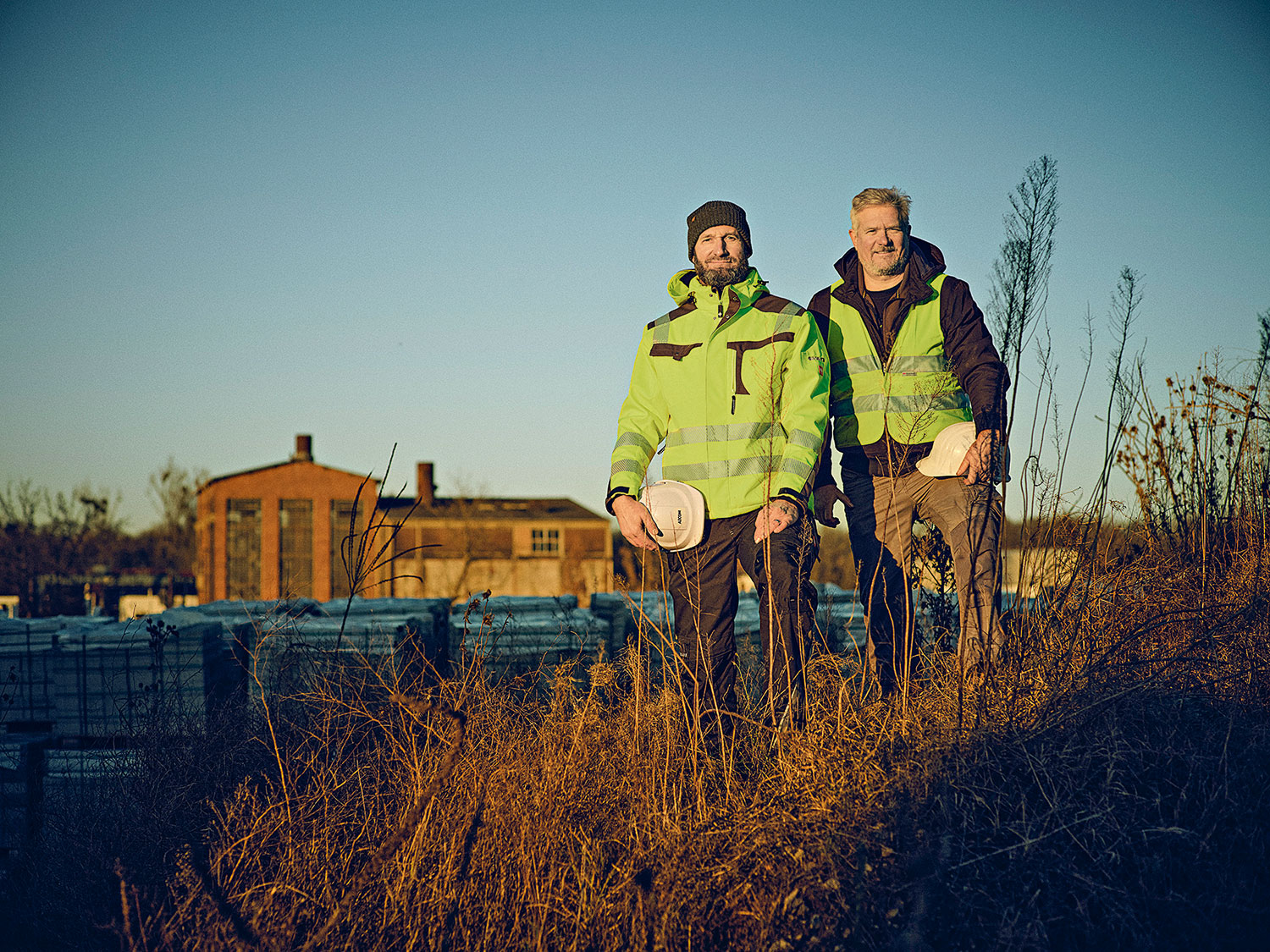
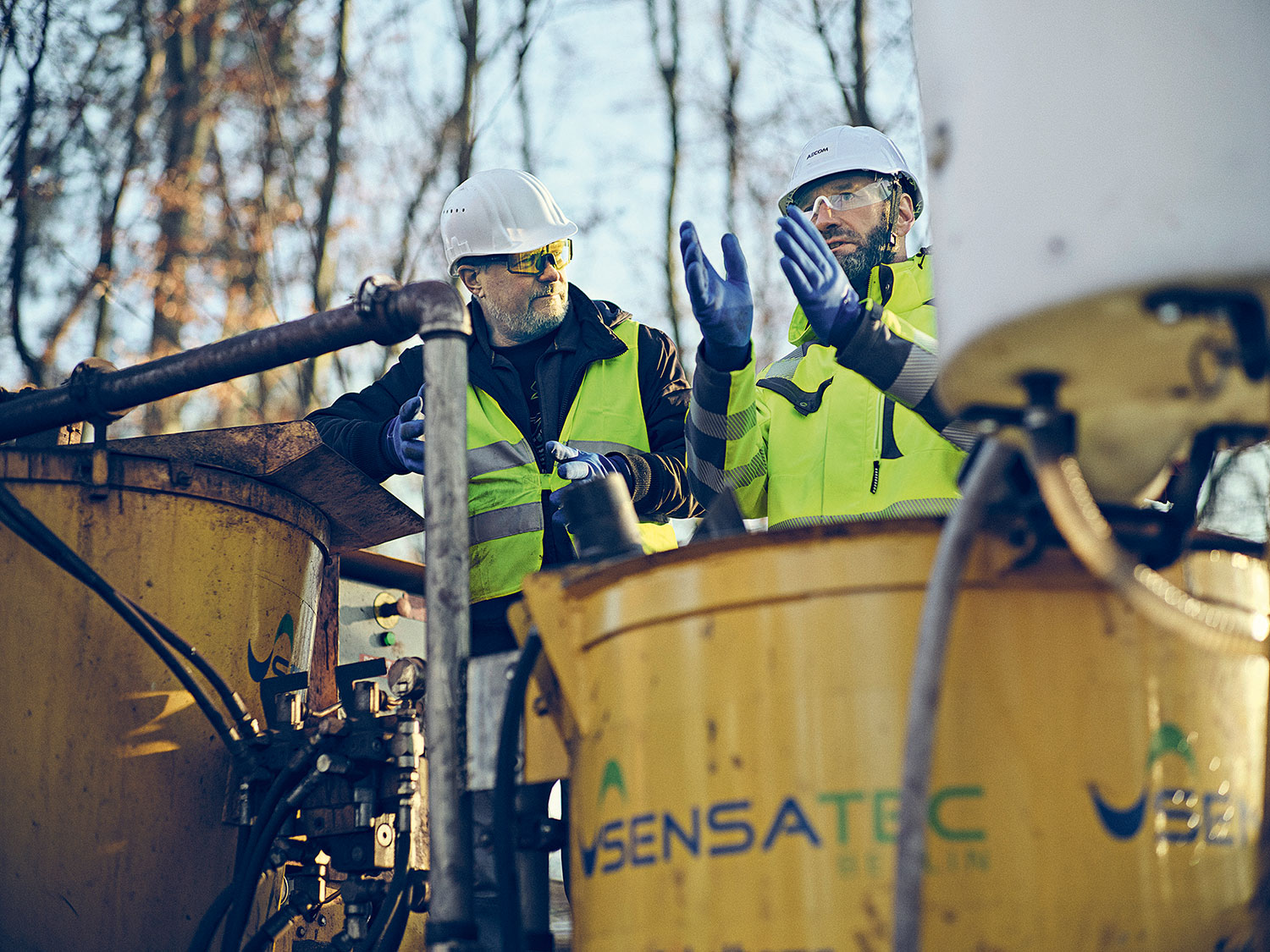
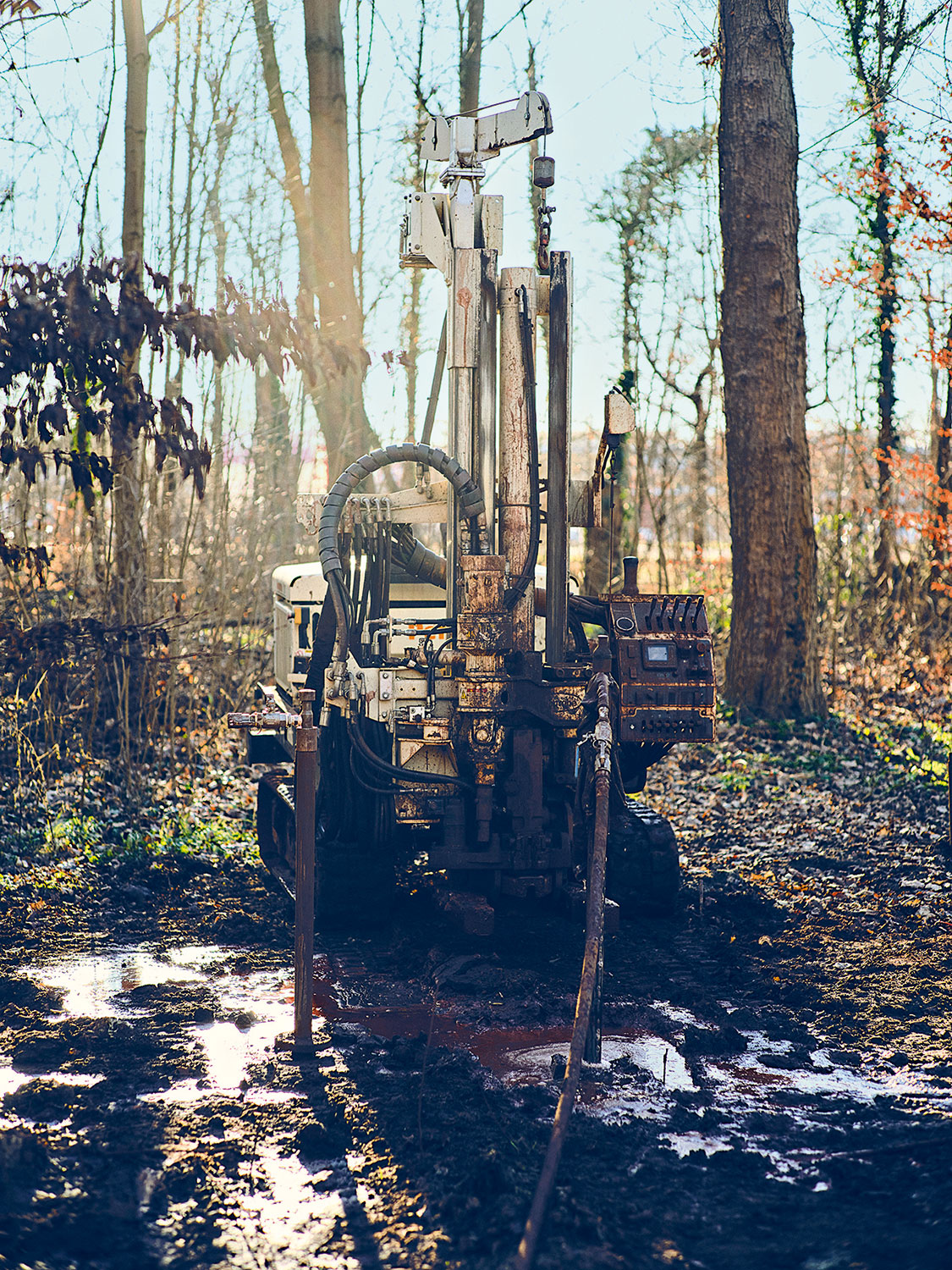
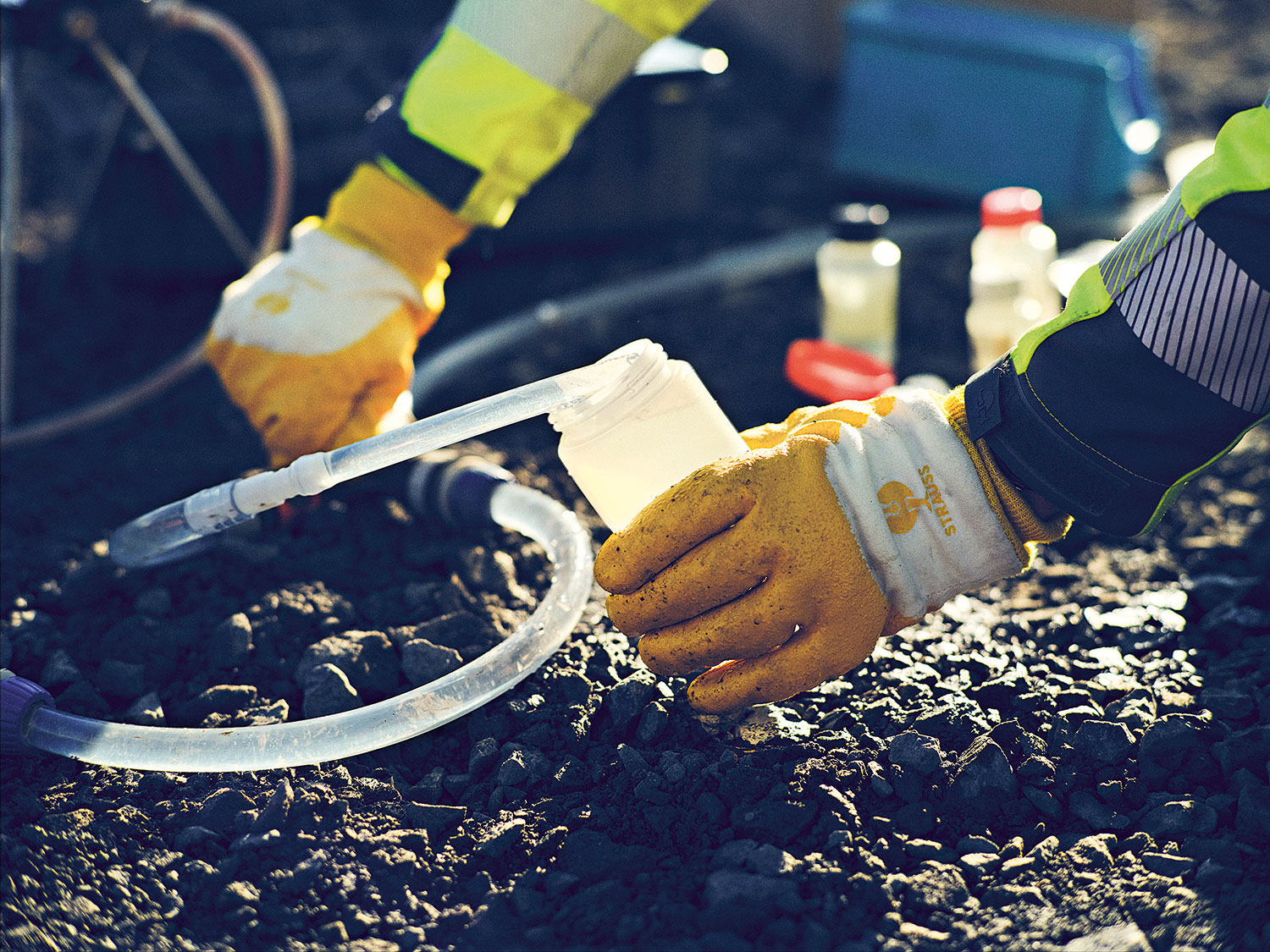
Image source: Evonik Industries
Project Example
Background
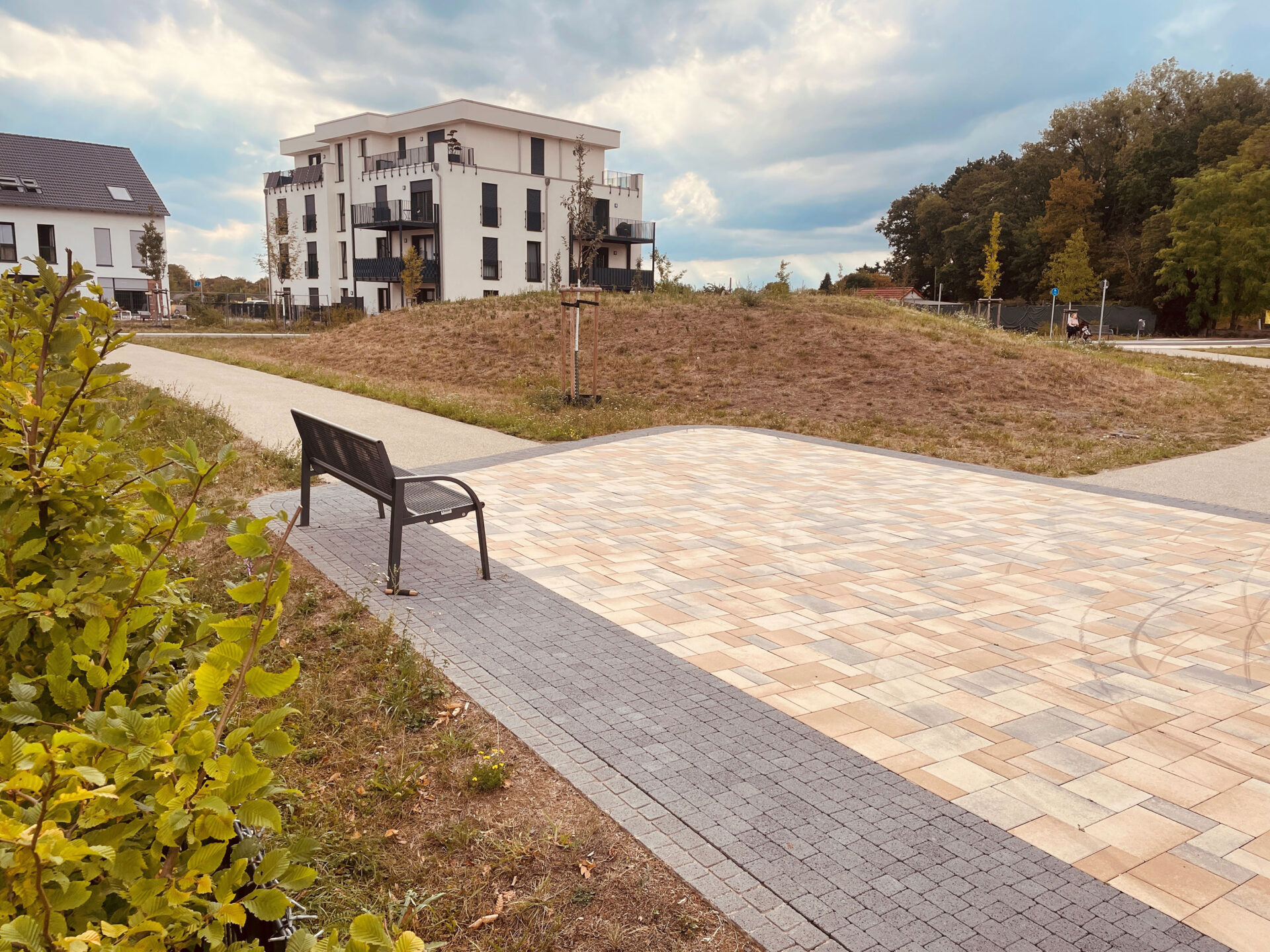
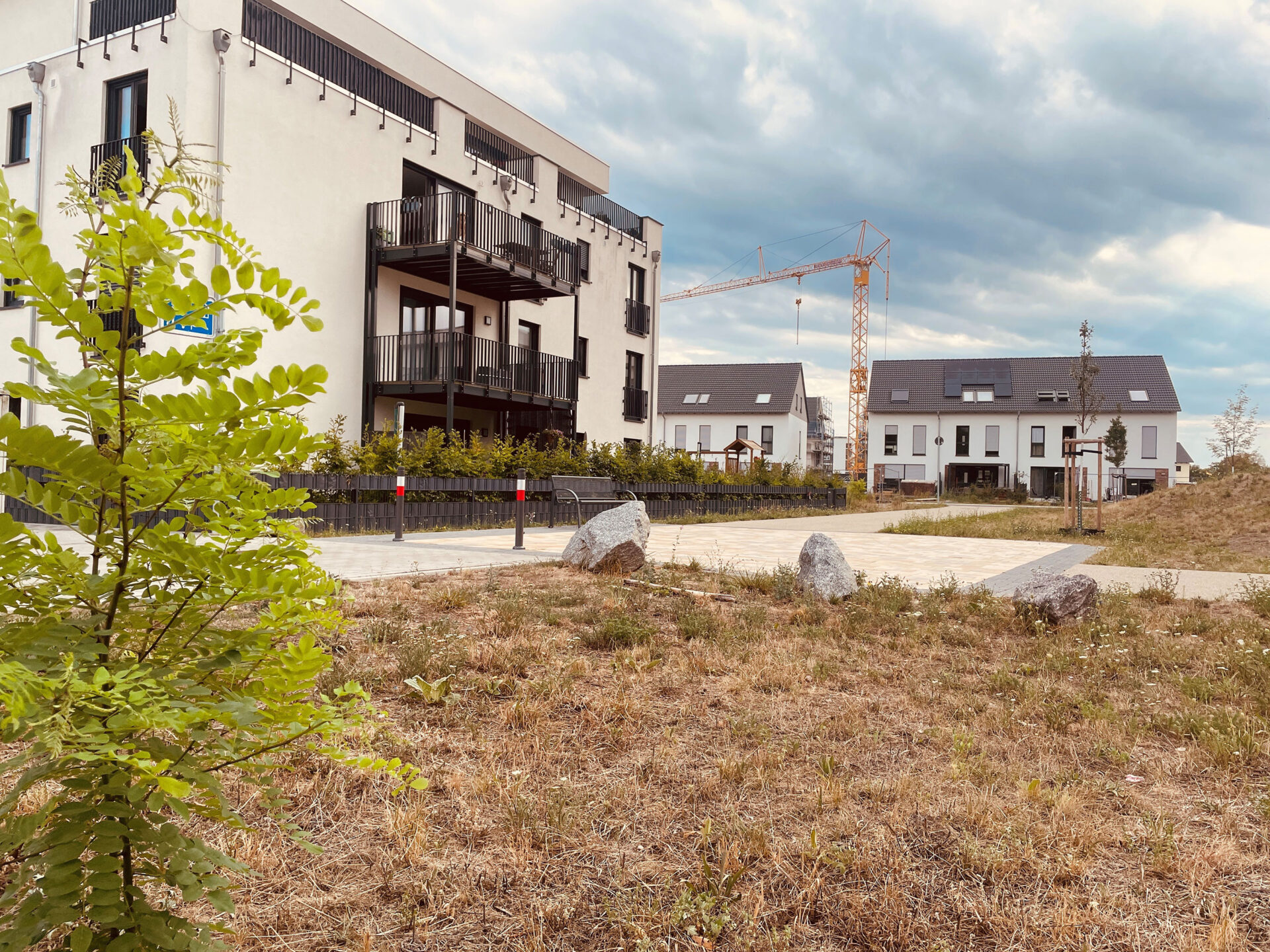
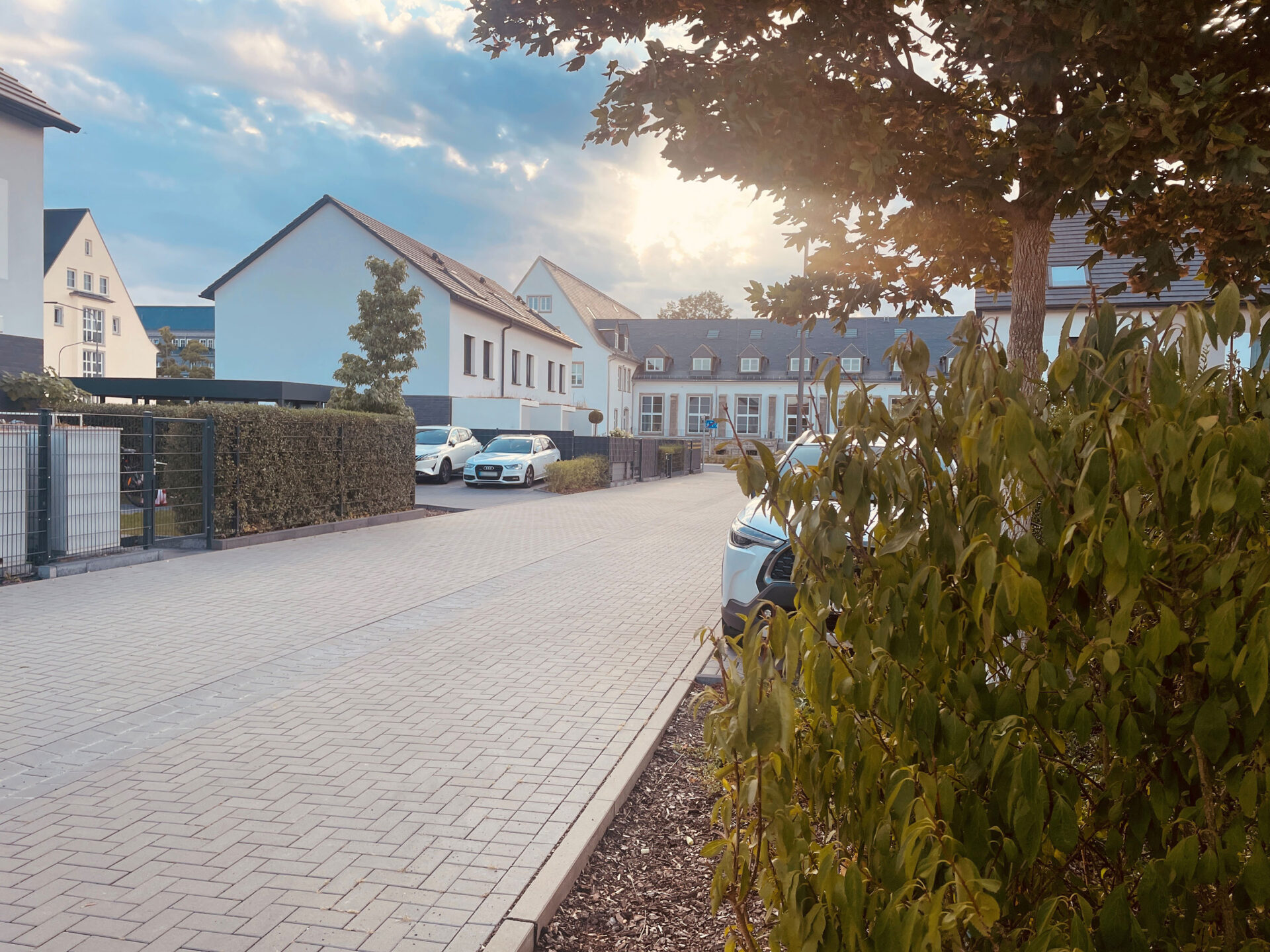
Pioneer Park in Hanau, a former U.S. Army barracks site, is being transformed into a residential area for approximately 5,000 people.
For decades, volatile chlorinated hydrocarbons (VCHCs) were used on the site for dry cleaning or for cleaning machinery. This use of VCHCs has led to contamination of the soil and groundwater in the past.
Challenge
The investigation revealed that the groundwater beneath the former laundry building and the former workshop area flows from east to west. As a result, the plume of volatile organic compounds (VOCs) spread as underground contamination beyond the barracks grounds. The contaminated area, at approximately 11,000 square meters, was significantly larger than a soccer field and up to 15 meters deep.
Conventional methods such as excavation or the pumping and treatment of contaminated groundwater would have been either uneconomical or insufficiently effective in this case.
Solution
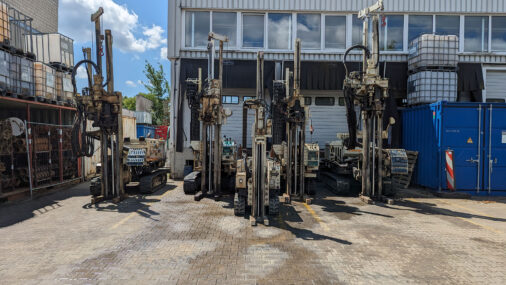
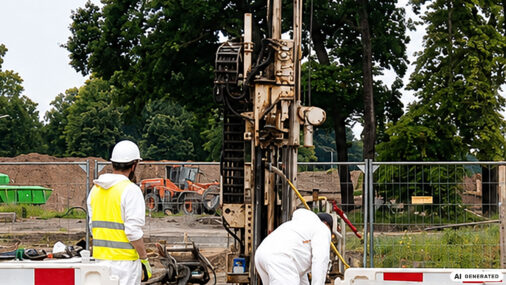
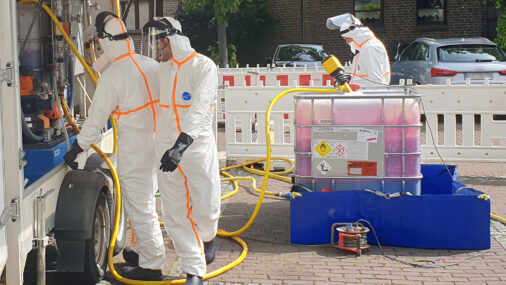
Instead, an in-situ remediation method was used, in which the chemical and biological degradation of VOCs was initiated. The active ingredient was the EHC reagent from our project partner Evonik Active Oxygens, which consists of iron powder and carbon-containing plant fibers. The reagent activates biochemical processes in the subsoil that break down the LCKWs. Using injection wells and our TSE® (Targeted Solids Emplacement) method, the powdered EHC solid was evenly injected into the contaminated subsoil.
Result
After less than 6 months of regular monitoring, VOC levels in the groundwater throughout the contaminated site are now barely detectable. The only remaining degradation products are harmless carbon compounds, chloride, and water.
In-situ remediation using EHC Reagent proved to be significantly more environmentally friendly than conventional methods: It reduced CO₂ emissions by 70–90% compared to excavation or pump-and-treat . In addition, this remediation measure saved two-thirds of the treatment costs compared to excavation. For this application, the project was awarded third place in the “Particularly Sustainable” category at the 2024 Brownfield Awards.
Details of the successful large-scale in-situ remediation: View reference project

Let’s assess the contamination at your site
We offer the right remediation measures for every individual site —regardless of its size. We’ll develop the necessary package of measures tailored to your specific needs to ensure a successful remediation.