
- Restricted Access to the Damaged Area
- Ongoing Operations
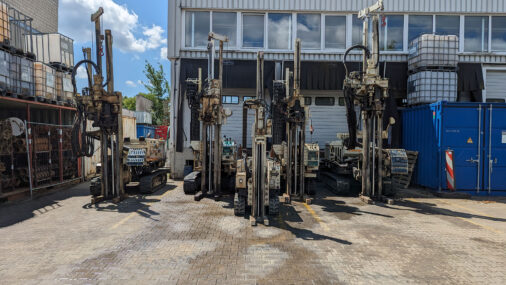
- Limited Space for Drilling and Equipment Technology
- Protection of Sensitive Structures
- High Standards for Precision
- Strict regulatory and safety requirements
Remediation Solutions for Partial or Complete Overbuilding
When remediating contaminated sites, areas that are partially or completely built over present special challenges for treating the subsoil. Existing buildings, traffic areas, or technical facilities often significantly restrict access to contaminated areas and require remediation plans that are adapted to the existing conditions and spatial limitations. The goal is to reliably remediate contaminated areas in the subsoil without unnecessarily impairing the use of the site and without making extensive changes to the existing infrastructure. This makes it possible to avoid demolishing existing buildings in virtually all cases.
Our drilling and injection techniques enable us to carry out precise and cost-effective remediation even at complex sites. Using minimally invasive in-situ methods, we can target damaged areas and implement remediation measures efficiently—even in places where conventional vertical drilling reaches its limits. This allows us to carry out contaminated site remediation while operations continue or beneath existing structures, while simultaneously reducing project and investment risks.
Challenges
Our Approach
- Understanding Damage Patterns and Pathways
- Develop a site-specific remediation strategy
- Demonstrate the feasibility of the remediation strategy in the laboratory and on site
- Implement Technical Measures
- Demonstrate and monitor effectiveness
Project Example
Background
On the site of a former dry-cleaning facility, there was a source of volatile organic compounds (VOCs), and the contamination was being carried further by the groundwater flow. Since large portions of the site were built over, access to the subsurface was severely restricted, and conventional remediation methods could not be used.
Challenge
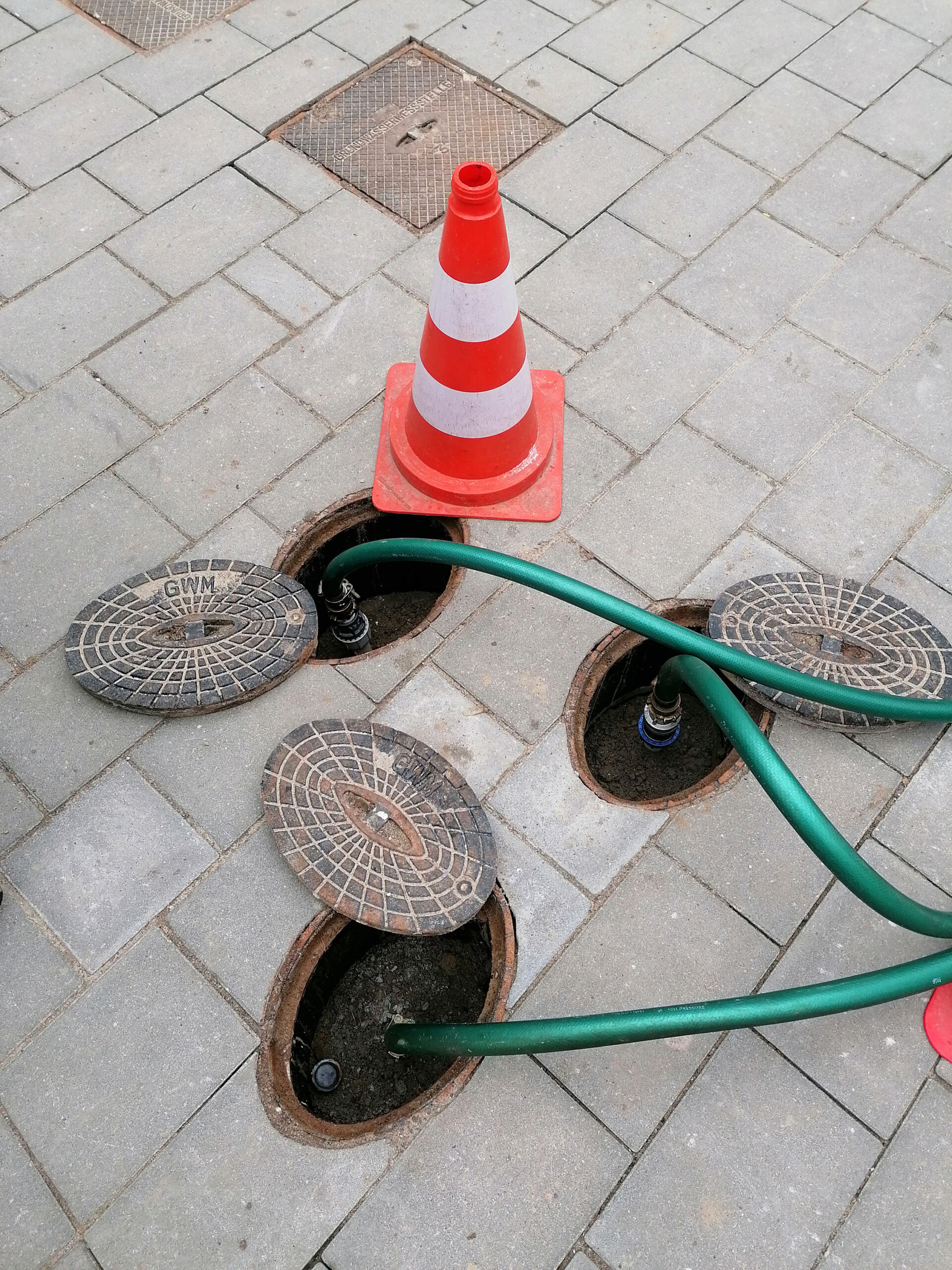
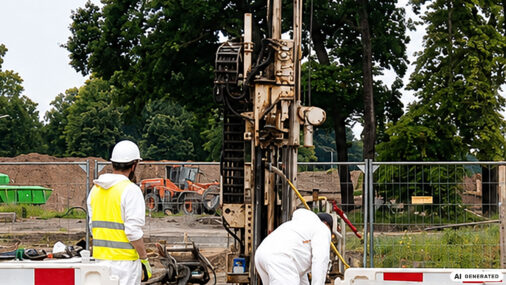
The remediation could only be carried out from a densely built-up courtyard without disrupting ongoing operations or the existing infrastructure. At the same time, stable geochemical conditions were required to ensure that the biological degradation processes in the groundwater could proceed reliably and over the long term.
Solution
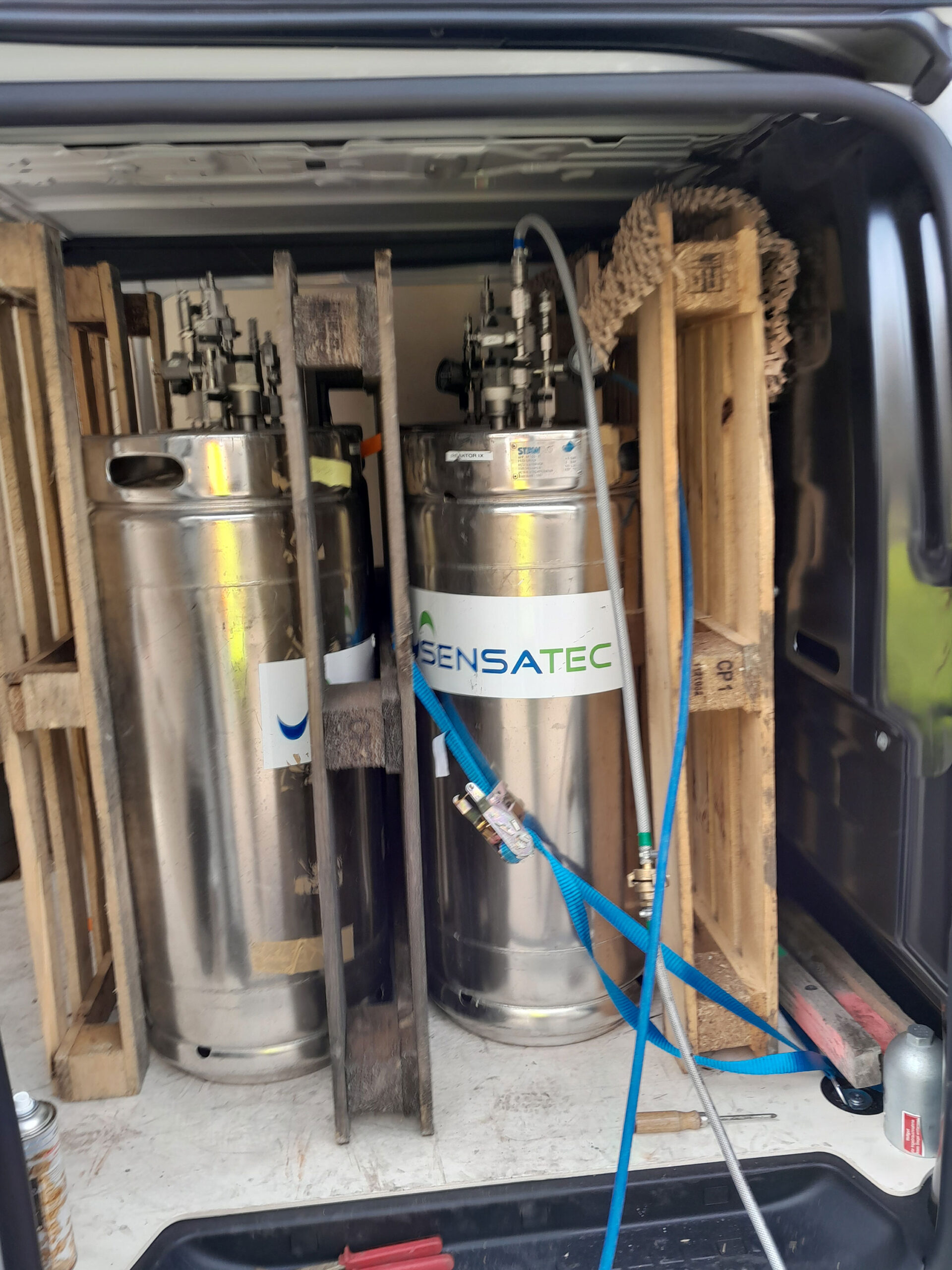
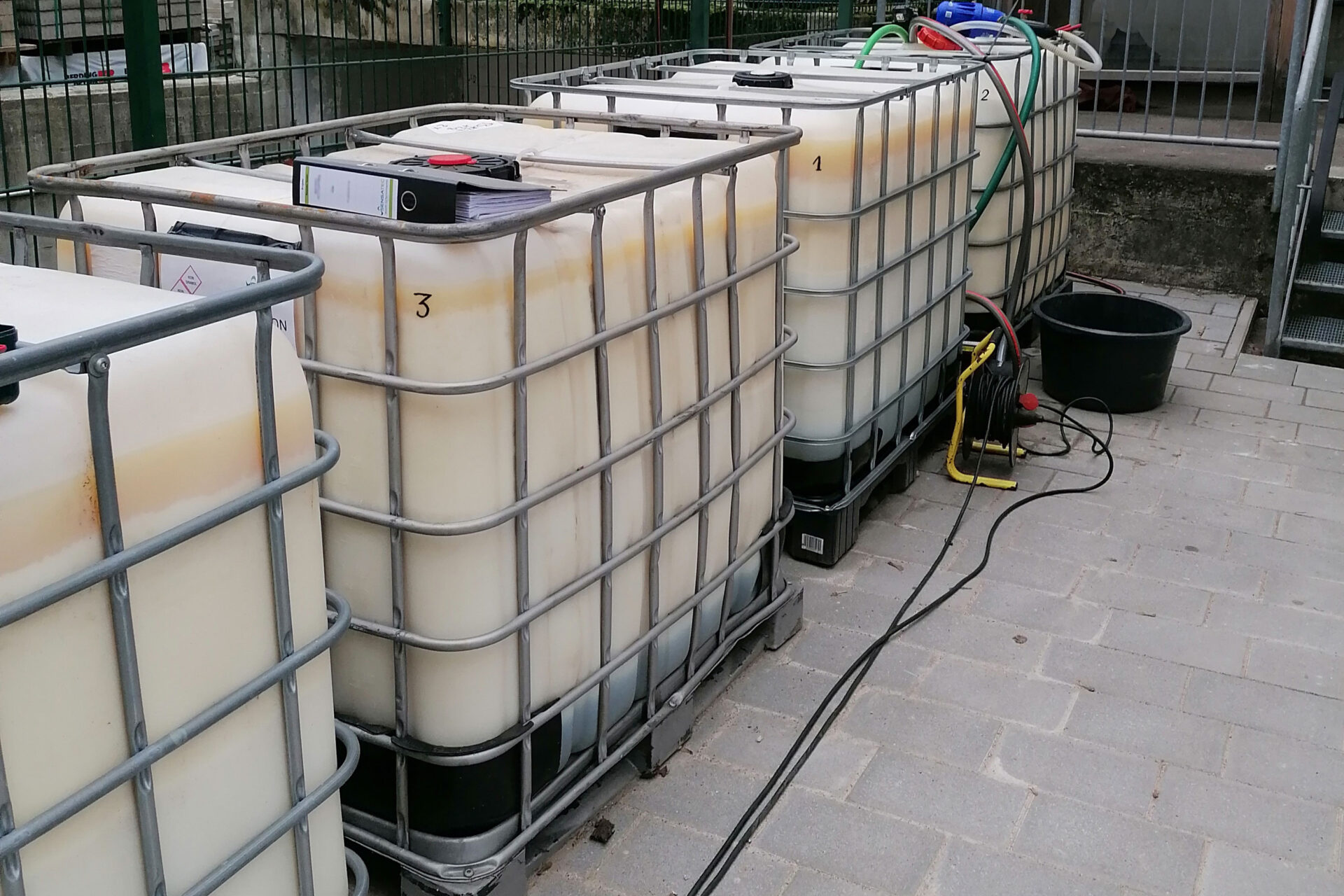
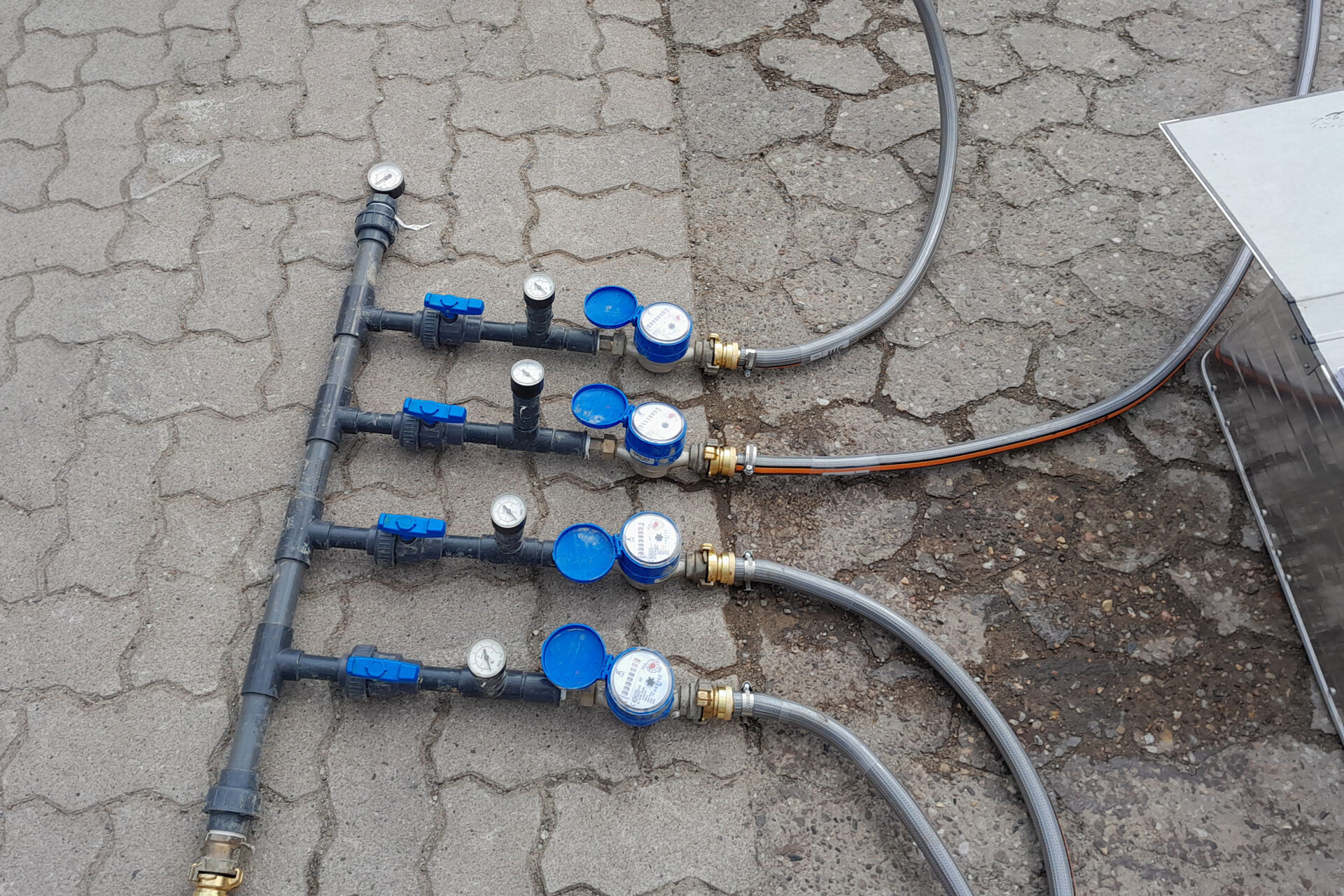
To treat the contaminant plume, a permeable reactive barrier (PRB) containing the active ingredient EHC was installed in the subsoil. In addition, Dehalococcoides bacteria were used to support the biological degradation of contaminants and gradually break down the chlorinated hydrocarbons.
Result
Despite the challenging site conditions, significant progress was made in reducing contaminant levels. Through continuous monitoring and targeted follow-up injections, the remediation effectiveness was further optimized and adapted to changes in the subsurface.
Details of the successful in-situ remediation: View reference project

Let us clean up the contamination under your building
Even for sites that are partially or completely built-up, there are cost-effective and technically reliable remediation solutions. We develop a customized plan tailored to your specific situation that takes the on-site conditions into account in the best possible way.