

- Conducting Degradation Tests in the Process Engineering Laboratory
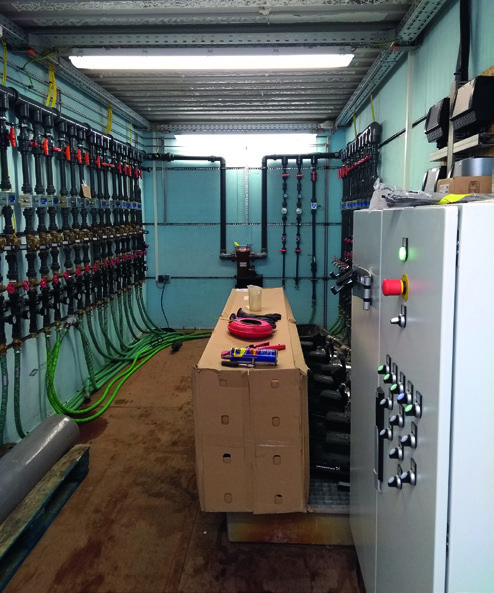
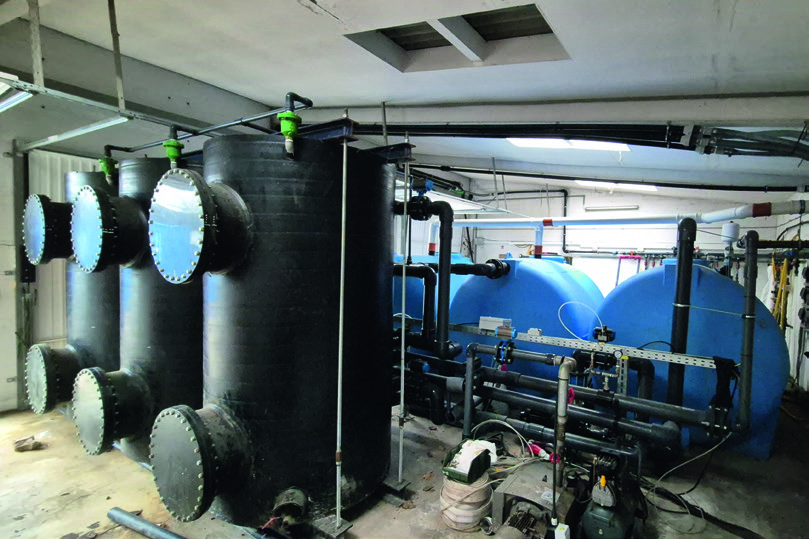
- Design, Construction, and Operation of a Groundwater Circulation System with Gravel Filtration
- Design, Construction, and Operation of a Technical Oxygen Injection System
- Optimization of the Bioprocess During Operation
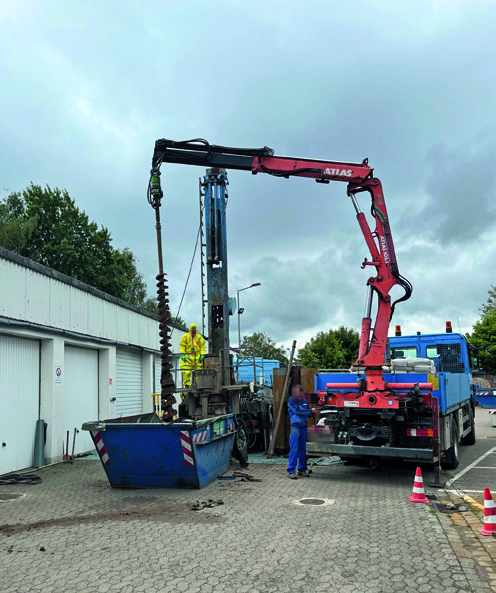
- Technical Implementation of the In-Situ Remediation Process
- Comprehensive monitoring sensors
- Continuous indoor air monitoring in the treatment area beneath the operations building
- Technical Documentation
128 Years Later: How We Are Remediating the Legacy of Gas Production in Rinteln Using Biological Methods
Some contaminated sites date back a long time. From 1896 to 1964, city gas was produced from coal and coke on the grounds of the Rinteln municipal utilities —a technology of its time that has, however, left behind toxic residues. Cyanides and polycyclic aromatic hydrocarbons (PAHs) have penetrated deep into the soil and groundwater. Instead of a costly complete excavation, Sensatec is relying on an innovative biological in-situ process—the first time such a method has been used on this scale in Germany.
Client
Rinteln Public Utilities
Area
Approx. 50,000 m²
Service period
2021 – ongoing
Contract value
1,400,000 €
Active agents
Oxygen and sugar compounds
Contaminants
Cyanides, Mono- or polycyclic hydrocarbon compounds (NSO heterocycles), Polycyclic aromatic hydrocarbons (PAHs)
Questions about the project
Key Services
Customer Benefits
- Effective In-Situ Remediation Technology
- Significant cost savings compared to demolition and excavation
- No restrictions whatsoever on the use of the existing buildings and workshops
- zero-emission process
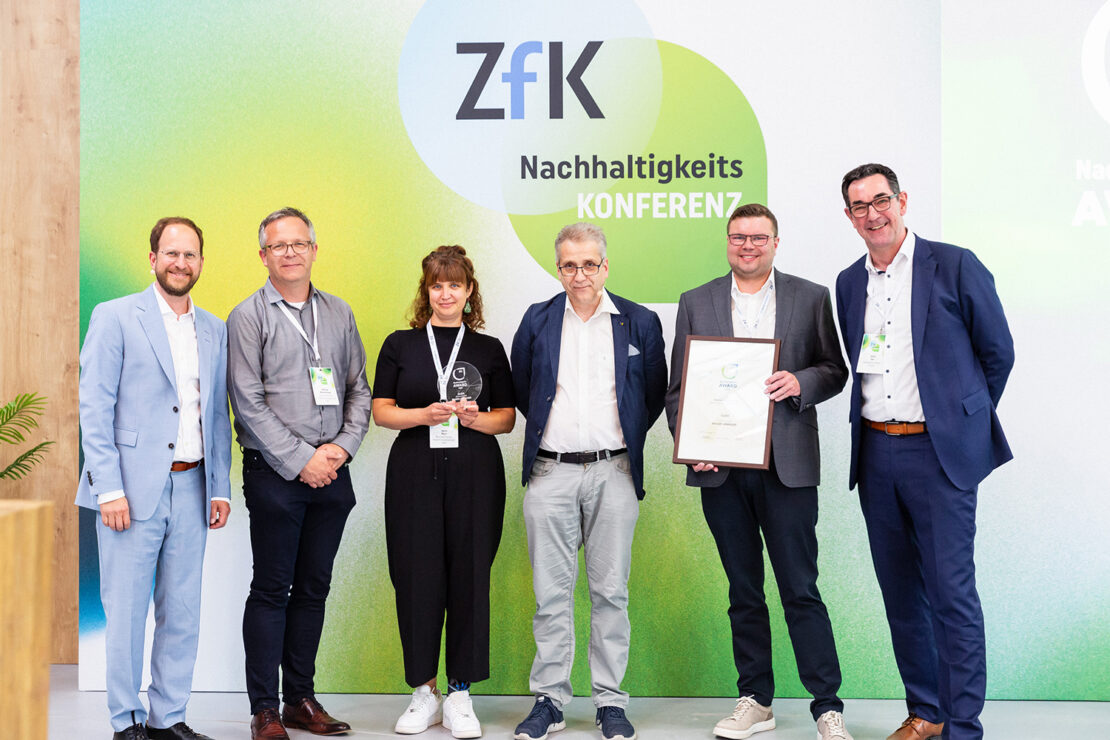
Outstanding Sustainability: Silver at the ZfK Sustainability AWARD 2025
Recognition for excellence. In June 2025, Stadtwerke Rinteln and its project partners were awarded the silver medal of the ZfK Sustainability AWARD in the Water/Wastewater category. The award, presented by the newspaper *Zeitung für kommunale Wirtschaft*, is considered one of the most prestigious honors for sustainable projects in the municipal utilities sector. The jury commended:
- The Ecological Effectiveness of the Biological In-Situ Process
- Eliminating the need for soil excavation and thus avoiding significant environmental impact
- The continued, uninterrupted operation of the municipal utilities throughout the entire renovation
- The pioneering nature of the process as the first application of its kind in Germany on this scale
"In our process, we dared to break away from the conventional approach and instead make sustainability a top priority."
An attitude that is compelling—and one that we share.
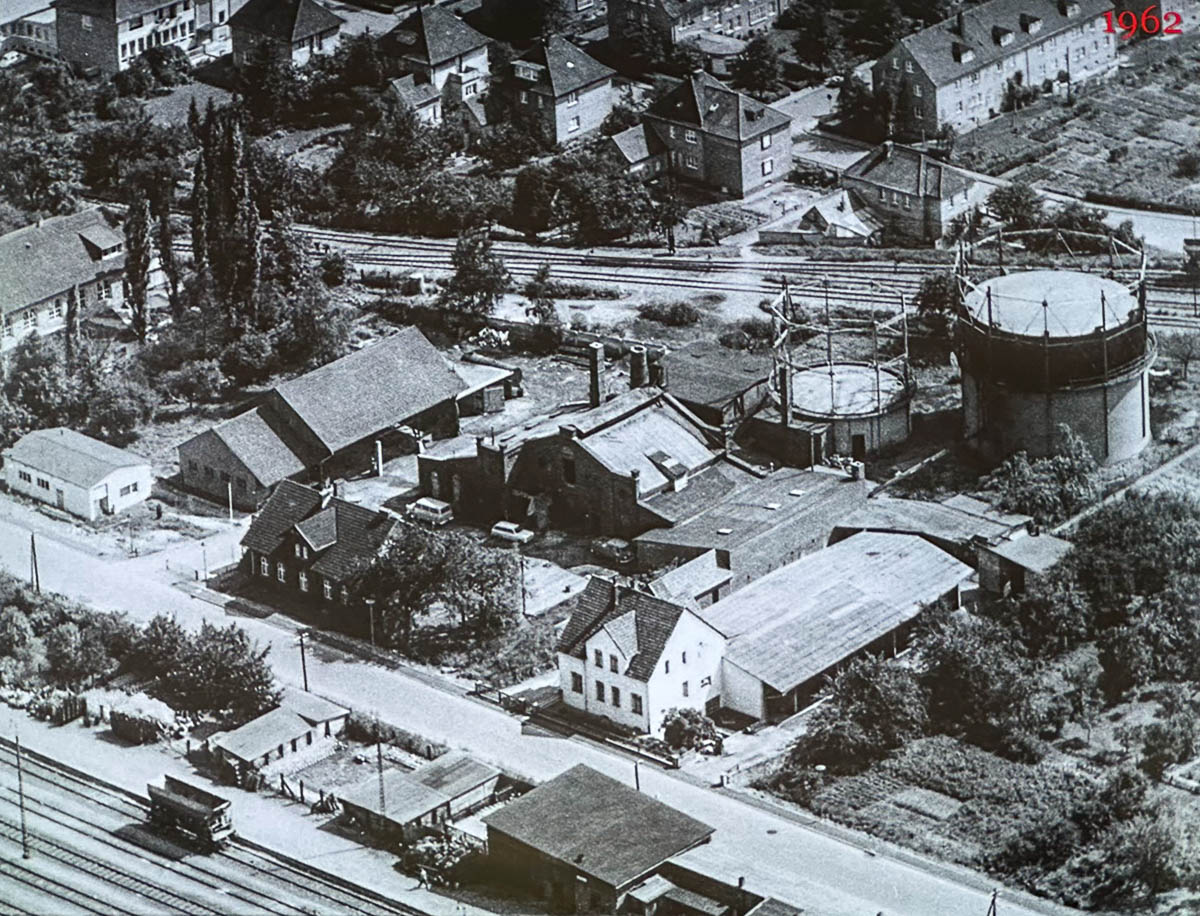
A contaminated site with a history—and two sources of contamination
Gas production began in Rinteln in 1896. It ended in 1964. But what remained were cyanides, PAHs, and NSO heterocycles —contaminants that had spread underground over decades. It wasn’t until 2020 that two clearly defined contamination hotspots were identified:
- Well 1 in the area of the former gas production site
- Pit 2 in the area of old waste burial sites
The extent of the damage: approximately 50,000 m³ of contaminated subsoil. A scale that pushes traditional remediation methods to their economic and environmental limits.
The Challenge: Renovation Without Downtime
Conventional full excavation would have been an obvious—but extremely expensive—solution.
The consequences would have been severe:
| Traditional Excavation | Biological Remediation |
|---|---|
| All buildings must be demolished | Operations Continue |
| 80,000 metric tons of soil would have to be disposed of | The floor remains in place |
| 3,000 truck trips, a lot of construction noise | Very little traffic and construction noise |
| Cost: approximately 10 million euros | Cost: approximately 2 million euros |
The decision was clear: Stadtwerke Rinteln opted for biological in-situ remediation—a method that does not disrupt ongoing operations, is environmentally friendly, and is significantly less expensive.
The Solution: Microorganisms as an Invisible Cleaning Force
Nature heals—if you give it the right tools. At the heart of the process is a hydraulic circulation system that evenly distributes a targeted mixture of active ingredients—oxygen and sugar compounds—throughout the soil. These nutrients activate and promote naturally occurring microorganisms that break down pollutants—silently, continuously, and effectively.
More than 60 remediation wells ensure comprehensive treatment of the entire affected area. The process is supported by an extensive network of monitoring sensors that continuously document the biological process and enable ongoing optimization.
Before the plant went into operation, scale-down tests in the process engineering laboratory confirmed the effectiveness of the approach. Sensatec bears full technical responsibility, from planning and construction through to ongoing operation.
Initial Results: The Substrate Responds
The measurements show that the process is effective. Clear progress is already evident after just the first few years of operation:
- Significant progress in the renovation of the small stove is already evident
- In the large furnace, the inventory of pollutants is showing a measurable decline
- The first cleanup cycle, completed in 2024, keeps cyanide levels consistently below the target value—with a continuing downward trend
- Occasional fluctuations in value are due to natural mixing effects and flooding—not a setback, but an expected dynamic
Outlook: Focusing on What Matters Most
Remediation is progressing—and with it, the opportunity to further refine the process. In successfully remediated sub-areas, groundwater circulation can be gradually reduced. The capacity thus freed up is concentrated on the remaining, more heavily contaminated zones.
The measurement results so far are encouraging: Rinteln is becoming cleaner —step by step, well by well, year by year.