Infiltration of Liquid Active Ingredients
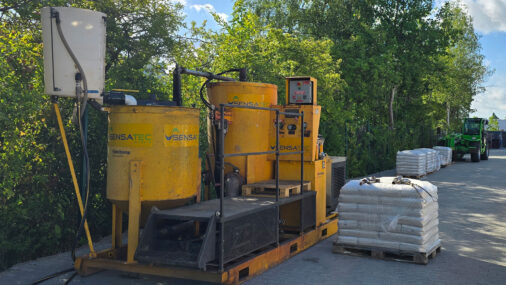
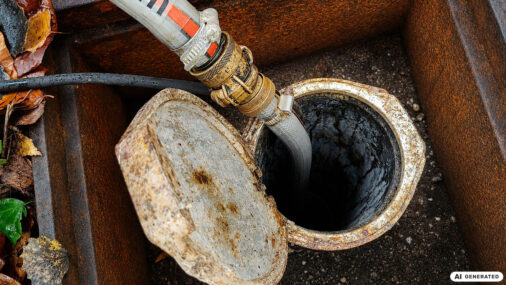
Aqueous solutions of active ingredients can be introduced into the subsurface in two ways: through infiltration via existing wells or through direct injection using drill strings. Infiltration utilizes minimal hydrostatic pressure, which makes the process particularly gentle. In drill-injection, specialized drill strings with extendable drill bits and customized pumping technology enable the controlled delivery of liquid active ingredients at very specific depths directly through the drill string.
Low-pressure infiltration is suitable for introducing microorganisms for bioaugmentation. Sensatec has feed pump technology and appropriately sized tubing specifically designed for this purpose to ensure low-shear transfer of microbial cultures, as microorganisms are ground up and destroyed when high-speed feed technology is used. When infiltrating strictly anaerobic cultures, the microorganisms are delivered exclusively via nitrogen-based pressure tank discharge. Following the infiltration of the respective microorganisms, post-infiltration maintenance is generally performed, which ensures sufficient distribution of the infiltrated microorganisms in the groundwater and keeps the water level injection systems free of severe biofouling.
Automated Dosing Systems
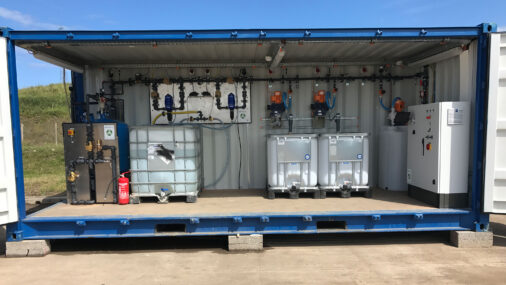
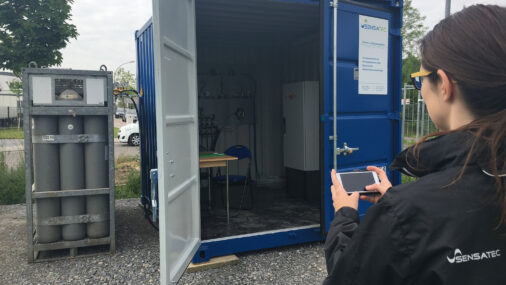
Our automated dosing systems allow active ingredients to be dispensed precisely and as needed. The systems are operated by specialized control units that enable continuous adjustment to hydrogeological conditions. Sensors measure flow rates, pressures, and concentration levels in real time. If necessary, the system automatically adjusts—ensuring that dosing remains optimally regulated and cost-effective. Automated dosing minimizes the amount of active ingredient introduced while maximizing effectiveness. This saves on material and operating costs. In addition, labor requirements are significantly reduced since manual adjustments are no longer necessary. The systems automatically document all process parameters. This enables complete traceability of the remediation measures and simplifies regulatory approval procedures as well as the preservation of evidence.