

- Implementation of the multi-year pilot phase
- Participation in the development of an in-situ remediation plan
- Underground utility line construction in a forested area
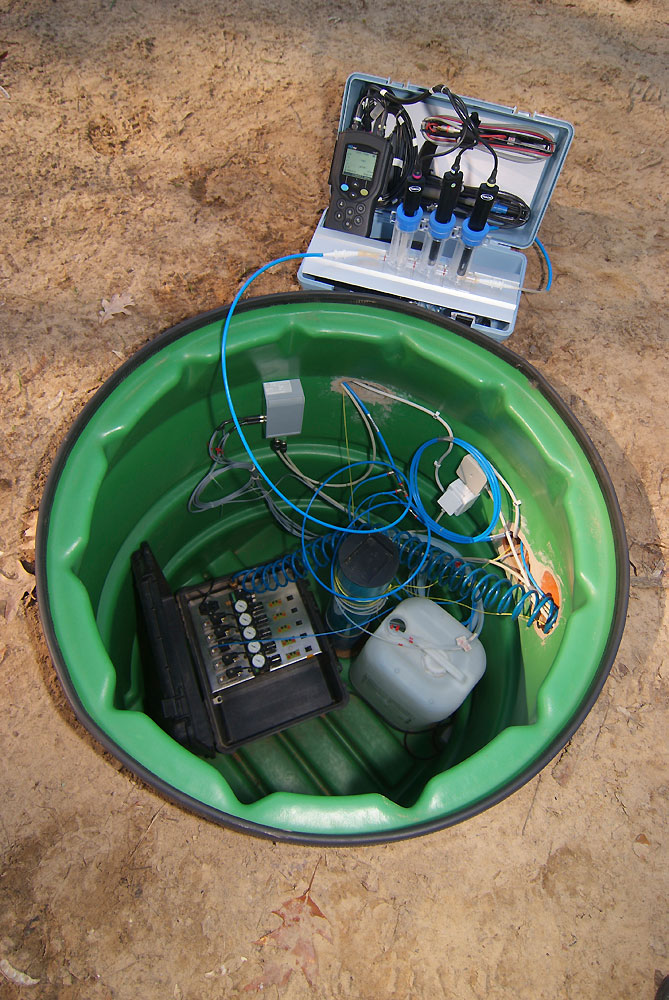
- Assembly and Setup of the Gas Injection Lances
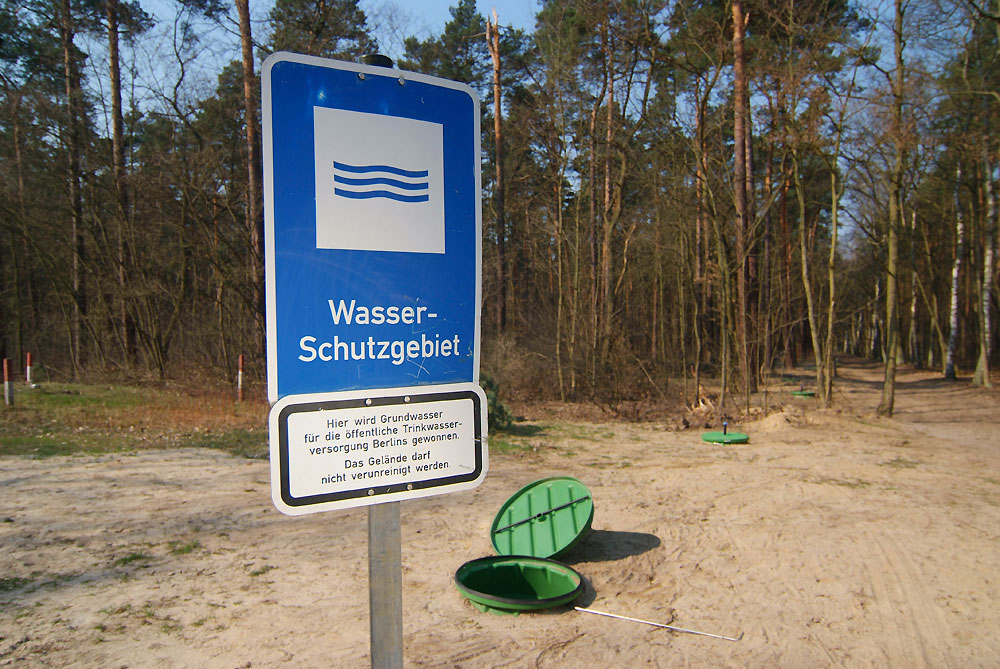
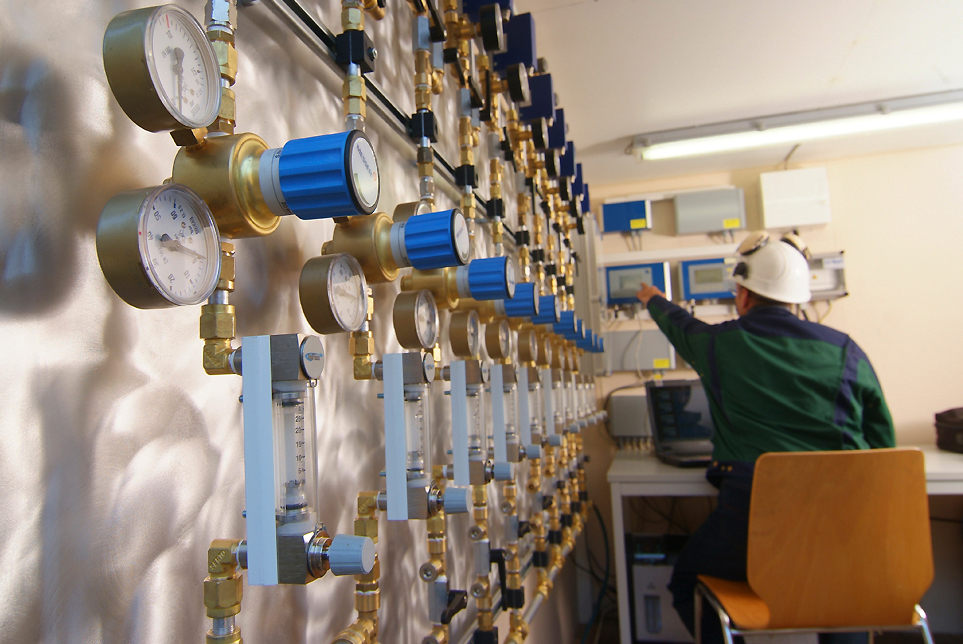
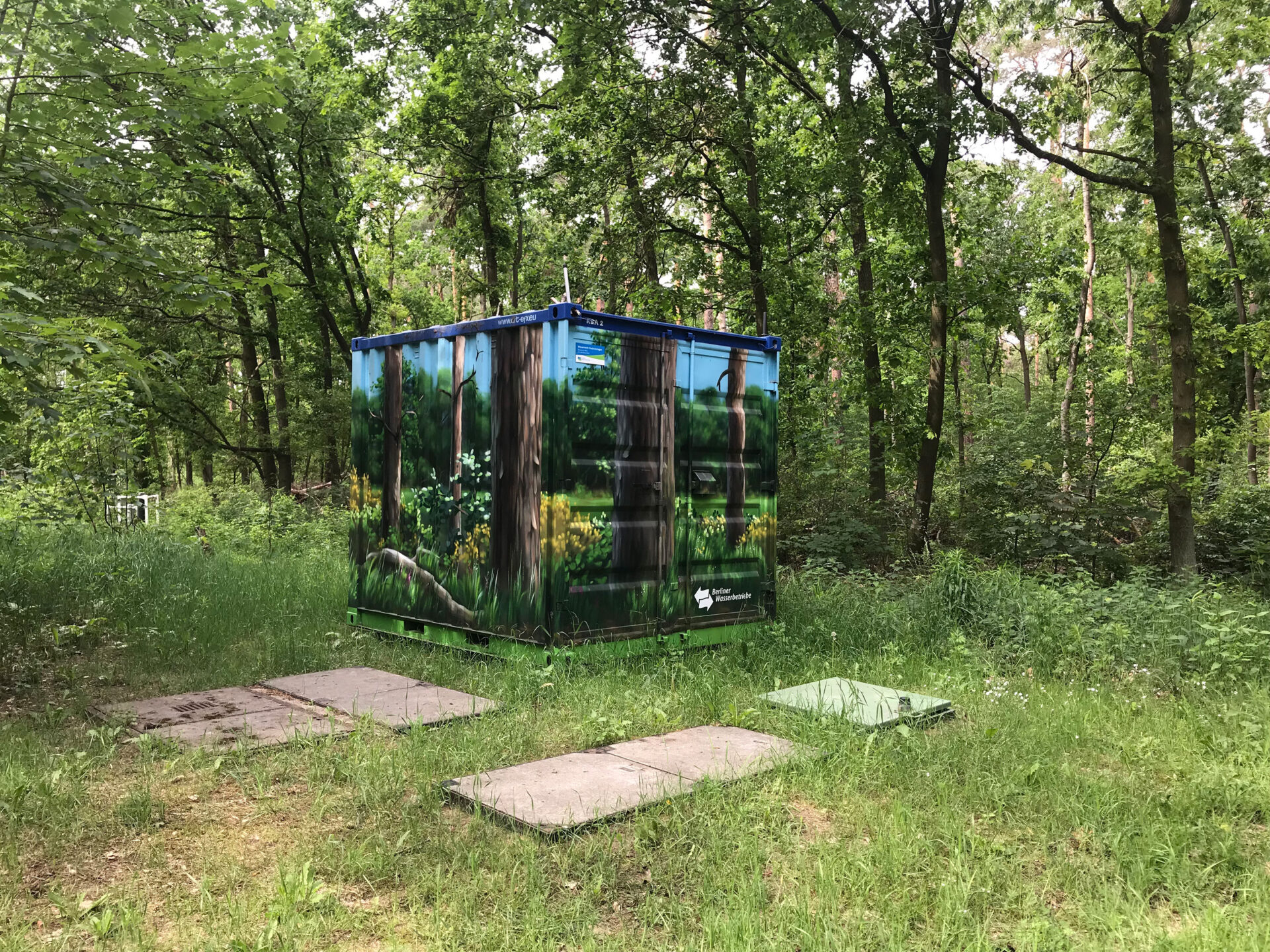
- Construction and Operation of the Gas Injection System in the Water Protection Zone
- Complete technical documentation
- BOT Model: Build, Operate, Trade
80 Years of Patience or a Biox Wall: How Berlin Regained an Important Source of Drinking Water
Decades of wastewater irrigation in the Berlin area resulted in large quantities of nitrogen and carbon compounds entering farmland and eventually seeping into the groundwater. In the Krummendammer Heide, east of the city, the contaminated groundwater eventually reached the production wells from which the Friedrichshagen water treatment plant has been drawing drinking water for decades. Instead of using this water, it now had to be continuously pumped out and, due to the presence of pollutants, extensively treated at the Münchehofe wastewater treatment plant. To avoid the high costs of pumping and water treatment, a search began for a more efficient and economical method to treat the contaminated groundwater directly underground. The ambitious goal was to improve the water quality underground to such an extent that the groundwater could once again be used for drinking water treatment at the Friedrichshagen Water Treatment Plant.
The solution to this challenge: biological treatment directly underground—with the Bioxwand.
Client
Berlin Water Utilities
Area
Approx. 36,000 m²
Service period
since 06/2010
Groundwater inflow
approx. 5,700 m³/day
Contract value
1,350,000 €
Contaminants
Nitrogen and carbon compounds
Questions about the project
Key Services
Customer Benefits
- No complex groundwater treatment technology is required
- Safe Groundwater Treatment
- Low energy consumption (primarily 24-volt operation)
- No disposal costs
- Significant cost savings compared to conventional methods
The Situation: Groundwater Heading in the Wrong Direction
For decades, the operation of the Rieselfeld sewage treatment plant and the dewatering of sewage sludge in eastern Berlin have released large amounts of ammonium nitrogen into the soil. These wastewater-derived substances entered the groundwater of the Krummendammer Heide and flowed directly toward the Friedrichshagen water treatment plant.
Since the 1990s , this groundwater has been unsuitable for drinking water production . It had to be continuously pumped out and extensively treated at the Münchehofe wastewater treatment plant—an expensive, energy-intensive process with no sustainable future. The annual cost: approximately €700,000.
Experts predicted that it would take 80 to 100 years for pollutants to stop being released from the soil and thus disappear naturally. A measure that would last forever —or a better idea.
The Solution: The Biox Wall
In collaboration with Sensatec, Berliner Wasserbetriebe developed an innovative technology for creating an underground biological oxidation zone—the Bioxwand. The principle: Instead of pumping out contaminated water and treating it off-site, the purification takes place right where the contamination originates— in the ground itself.
An Overview of How It Works:
- Vertical boreholes are drilled into the ground every 15 meters to a depth of 40–50 meters
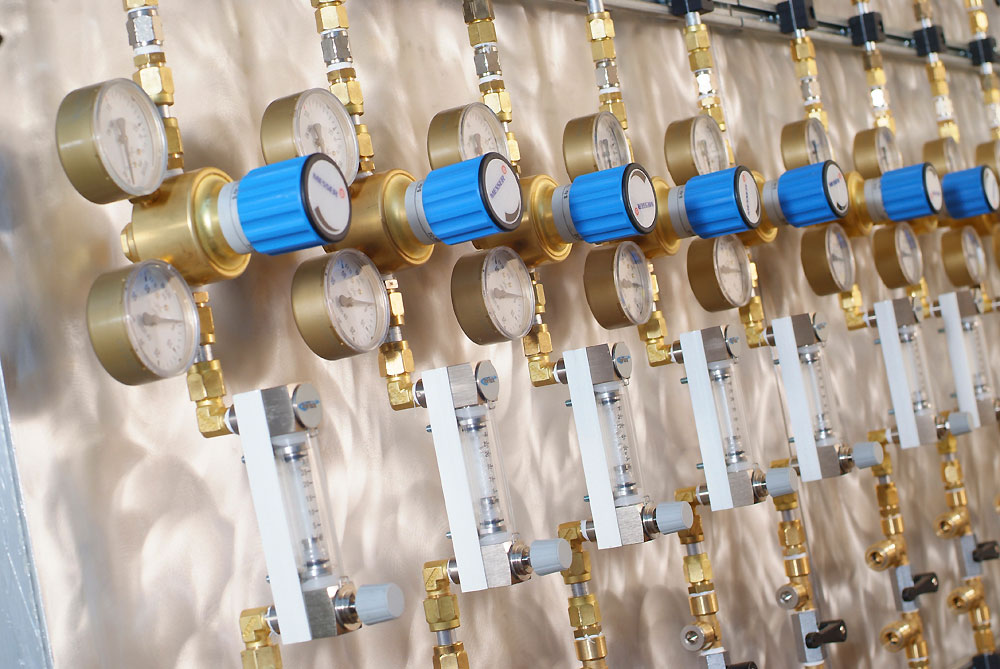
- The built-in lances are used to inject technical oxygen and air into the oxygen-free subsoil at multiple injection levels
- Specialized microorganisms gradually convert harmful ammonium nitrogen first into nitrate and finally into harmless molecular nitrogen—a natural component of the air
- The treated groundwater flows directly to the drinking water intake wells at the Friedrichshagen water treatment plant
Sensatec was entrusted with the complete technical implementation of this project.
From a pilot plant to a full-scale plant
Before the Bioxwand was built to full scale, it proved its worth during a pilot phase that lasted several years:
- 2007: Launch of a 100-meter pilot plant
- Pilot Phase: Treatment of 270,000 m³ of groundwater—without any undesirable side effects
- 2010: Expansion to 200 meters in length
- 2012: Expansion into a large-scale facility 800 m long with 46 deep lances
The large-scale plant treats approximately 5,700 m³ of groundwater daily —reliably, continuously, and fully automatically.
An 80-year-old problem—solved in a fraction of the time
The Bioxwand dramatically shortens the predicted natural purification period of 80 to 100 years.
And it does so at a fraction of the previous cost:
| Procedure | Conventional Method | Bioxwand |
|---|---|---|
| Annual Operating Costs | Approx. 700,000 € | Approx. 350,000 € |
| Cleaning Location | Off-site wastewater treatment plant | Directly underground |
| Energy Consumption | High | Low (intermittent operation) |
| Disposal Costs | Yes | None |
The investment in development and construction totaled approximately €3.4 million —an amount that will quickly pay for itself given the long-term cost savings and the restoration of entire groundwater areas.
Impact on the Drinking Water Supply
For the first time, the Bioxwand makes it possible to pretreat previously unusable groundwater directly underground to such an extent that it can be fed back into the regular drinking water treatment process at the Friedrichshagen water treatment plant. In this way, Berliner Wasserbetriebe is securing the long-term groundwater supply for the drinking water needs of millions of people.
Conclusion: A technology that is setting a precedent
The success in Friedrichshagen marked the beginning of something bigger. The implementation was so impressive that Sensatec was granted the exclusive license to market the Bioxwand technology. Since then, similar projects have emerged in nearly all of Germany’s federal states.
Today, the Bioxwand stands as proof that seemingly intractable environmental problems can be solved with targeted biological environmental technology —in a sustainable and cost-effective manner, with measurable benefits for people and nature.